


New Delhi, July 29, 2026 (Yes Punjab News)
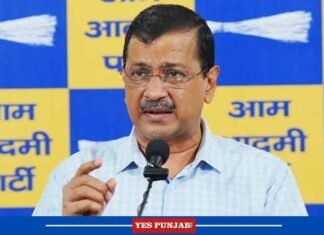
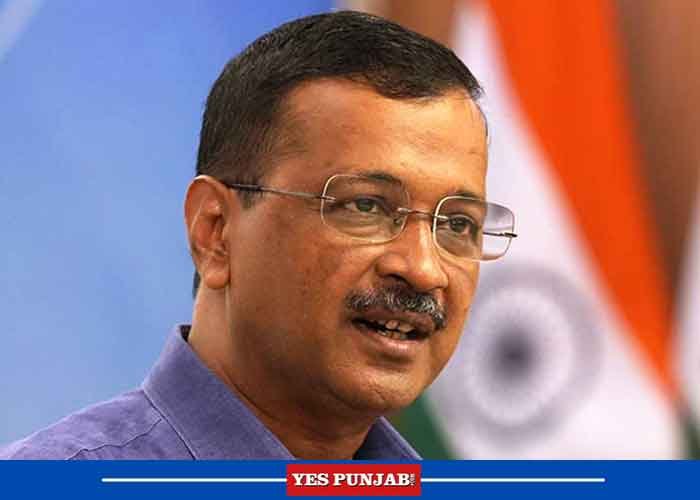
Aam Aadmi Party (AAP) National Convenor Arvind Kejriwal on Wednesday claimed that officials from nine of the 29 automobile manufacturers he had approached admitted that E20-blended petrol could damage vehicles manufactured before 2023, but alleged they were unwilling to state this publicly due to pressure from the Central Government.
Addressing a press conference in New Delhi, Kejriwal said he had written to 29 companies manufacturing petrol-powered two-wheelers and four-wheelers, seeking clarification on whether E20 fuel was suitable for vehicles manufactured before 2023. He also asked whether the companies would compensate consumers if the use of E20 caused damage to vehicles or reduced fuel efficiency.
According to Kejriwal, none of the companies responded in writing. However, he claimed that officials from nine companies told him during phone conversations that the use of E20 in vehicles manufactured before 2023 could damage engines and fuel system components while also reducing mileage.
The AAP leader alleged that the officials declined to put their views on record because they feared action from the Central Government. He claimed the companies had been warned of possible consequences, including action by central investigative agencies and disruption of their operations, if they publicly acknowledged the technical concerns. Kejriwal, however, did not identify the companies or produce documentary evidence to support the allegations.
He further claimed that manufacturers were also reluctant to certify E20 as safe for older vehicles because they feared consumers could seek compensation or replacement of vehicles through legal proceedings if damage occurred.
Questioning the Centre’s ethanol-blending policy, Kejriwal alleged that nearly 30 crore vehicles manufactured before 2023, including around 22 crore two-wheelers and 8 crore four-wheelers, could be affected by the rollout of E20 fuel.
He also argued that ethanol-blended petrol is more expensive than conventional petrol, delivers lower mileage due to its lower calorific value, does not significantly reduce foreign exchange expenditure, and offers little benefit to farmers. He further alleged that ethanol production contributes to groundwater contamination and environmental pollution.
The Central Government has maintained that its ethanol blending programme is aimed at reducing dependence on imported crude oil, lowering emissions and promoting cleaner fuel alternatives. No immediate response from the Centre or the automobile manufacturers to Kejriwal’s allegations was available at the time of filing this report.
 FOLLOW NOW