

New Delhi, July 29, 2026 (Yes Punjab News)
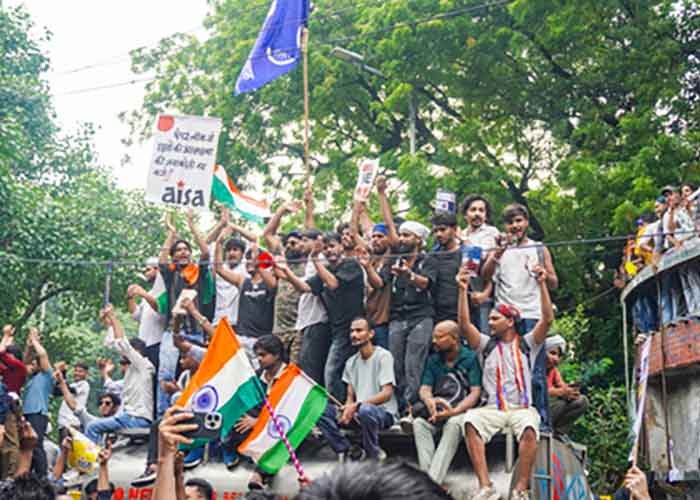
The nationwide protests led by the Cockroach Janta Party (CJP), which began over examination paper leaks and youth-related issues, have triggered a broader debate on whether the movement reflects patterns seen in major protest campaigns across the world over the past two decades.
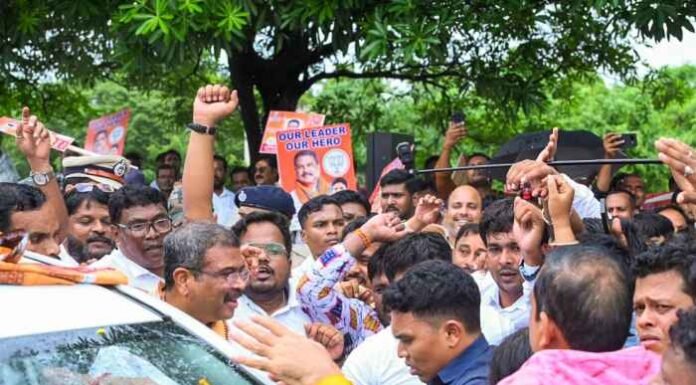
Initially driven by public anger over alleged irregularities in competitive examinations, unemployment and corruption, the agitation rapidly expanded into a nationwide political movement that culminated in the resignation of Union Education Minister Dharmendra Pradhan. The scale of mobilisation, extensive use of social media and sustained participation by students and young people have drawn attention from political observers and analysts.
Some analysts cited in discussions surrounding the movement argue that the CJP protests display characteristics similar to large-scale protest movements witnessed in countries including Serbia, Ukraine, Egypt, Bangladesh, Sri Lanka and Nepal. According to these assessments, such movements often begin around specific public grievances before evolving into broader political campaigns through digital mobilisation, coordinated messaging and sustained public engagement.
The report notes that protests in several countries between 2024 and 2026, including Bangladesh, Kenya and Serbia, contributed to significant political developments, while similar demonstrations were also witnessed in Indonesia, Madagascar, Morocco, Nepal, Peru, the Philippines and Timor-Leste.
Drawing comparisons with earlier movements such as Serbia’s Otpor movement, Ukraine’s Orange Revolution and the Arab Spring, the analysis refers to longstanding debates over the role of international organisations involved in civic engagement, democracy promotion and activist training. Supporters of such initiatives maintain they strengthen democratic institutions, while critics contend they may influence political outcomes in strategically important countries.
The report also references protests in Bangladesh, Sri Lanka and Nepal, where questions were raised about the organisation, logistics and financing of prolonged demonstrations. It notes that while allegations of external support have surfaced in some instances, governments and international organisations have often maintained that the movements were primarily rooted in domestic grievances.
In the Indian context, the report points to the rapid emergence of the CJP under founder Abhijit Dipke, who coordinated the campaign while studying in the United States before returning to India. It also highlights the participation of social activist Sonam Wangchuk, whose prolonged hunger strike brought additional national attention to the movement.
As the protests intensified, allegations emerged in sections of the media regarding possible foreign financial support for the agitation. However, the report notes that these allegations remain unproven.
According to the analysis, the central issue is not the legitimacy of the grievances, but how public discontent can evolve into sustained mass movements capable of influencing political outcomes. It concludes that while external actors cannot create public dissatisfaction where none exists, they may, in certain circumstances, amplify existing grievances and accelerate mobilisation.
 FOLLOW NOW