

New Delhi, July 29, 2026 (Yes Punjab News)
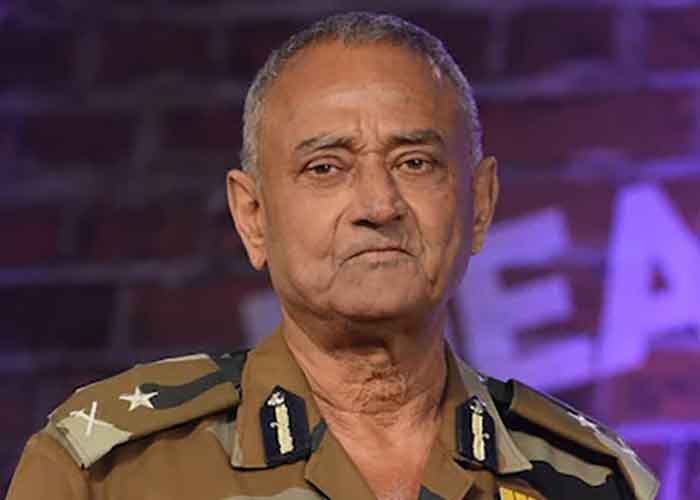
Brigadier Basant K. Ponwar was among those rare military figures whose legacy was not defined only by the battles he fought, but by the warriors he prepared to face them. For generations of police personnel, commandos and military leaders, he remained the man who changed India’s understanding of jungle warfare.
At a time when large parts of central India were struggling with Left Wing Extremism and Maoist insurgency, Brigadier Ponwar recognised that conventional methods alone could not counter an unconventional enemy. His guiding principle was simple yet transformative: “Fight a guerrilla like a guerrilla.”
The idea became the foundation of a new approach to counter-insurgency operations. He emphasised mobility, small-team operations, intelligence-based action, survival skills and a deep understanding of jungle terrain. For him, forests were not merely obstacles but complex battlefields that demanded patience, preparation and respect.
His vision took shape with the establishment of the Counter Terrorism and Jungle Warfare College (CTJWC) at Kanker in Chhattisgarh. The institution became a centre for training security personnel engaged in some of India’s most challenging operational environments.
The jungles of Bastar offered little room for error. Brigadier Ponwar believed that realistic training could save lives during actual operations. Every drill, exercise and lesson was designed to prepare personnel for the realities of combat, where a wrong decision could have fatal consequences.
Thousands of personnel from the CRPF, state police forces, specialised anti-Naxal units, Greyhounds, C-60, District Reserve Guard and other security organisations underwent training at CTJWC. Many officers who later played key roles in counter-insurgency operations across Chhattisgarh, Maharashtra, Telangana, Odisha and Jharkhand carried forward the lessons shaped by his doctrine.
The campaign against Maoist insurgency has involved improved intelligence, inter-agency coordination, technological advancement and immense sacrifices by security personnel. However, behind many successful operations was the contribution of trainers like Brigadier Ponwar, who prepared forces before they entered the battlefield.
He believed that demanding standards during training were ultimately an act of responsibility towards the lives of those sent into hostile terrain. His focus was never on personal recognition but on ensuring that those he trained had the skills and confidence to return safely.
While history often remembers commanders who lead from the front, it must also acknowledge those who prepare them for victory. Brigadier Basant K. Ponwar left behind not only an institution but a doctrine of jungle warfare and a generation of security personnel shaped by his experience.
His greatest battlefield was the training ground, where he built the capabilities that helped others face India’s toughest security challenges.
 FOLLOW NOW