


New Delhi, August 3, 2026 (Yes Punjab News)
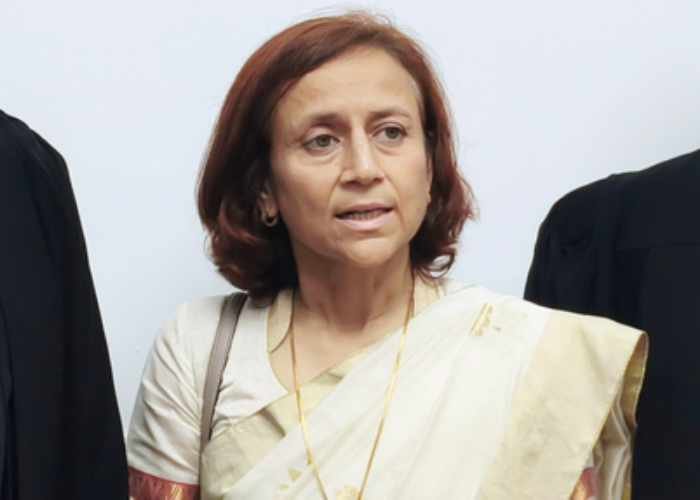
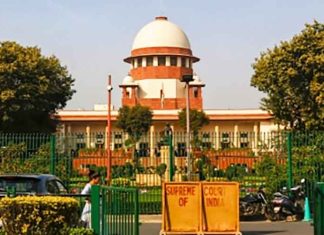
The Supreme Court has dismissed a review petition filed by CPI(M) leader Brinda Karat seeking reconsideration of its earlier decision refusing to direct the registration of an FIR against BJP MP Anurag Thakur over his alleged “goli maro” speech during the anti-CAA protests in 2020.
A Bench comprising Justices Vikram Nath and Sandeep Mehta held that there was no apparent error in its April 29 judgment warranting a review. In its order dated July 29, the court said it had examined the review petition and the grounds raised but found no basis to revisit its earlier ruling.
The Bench also rejected Karat’s application seeking an open court hearing of the review petition, disposing of the matter along with all pending applications.
In its April 29 judgment, the apex court had partly allowed Karat’s appeal by disagreeing with the legal reasoning adopted by the Delhi High Court and the trial court, which had held that prior sanction under the Code of Criminal Procedure (CrPC) was necessary before directing registration of an FIR under Section 156(3).
The Supreme Court had clarified that prior sanction is required only at the stage when a court takes cognisance of an offence and not for ordering an investigation or registration of an FIR. It observed that a magistrate’s direction under Section 156(3) CrPC is a pre-cognisance exercise and that making FIR registration dependent on prior sanction would be inconsistent with the statutory framework governing criminal investigations.
However, after independently examining the material on record, including the speeches in question, the police status report and the findings of the lower courts, the apex court concluded that no cognisable offence was made out. Consequently, it upheld the refusal to direct registration of an FIR, despite correcting the legal position on the issue of prior sanction.
The case originated from Karat’s complaint seeking criminal action against Anurag Thakur and then BJP MP Pravesh Verma over alleged hate speeches delivered during protests against the Citizenship (Amendment) Act in January 2020.
After Delhi Police declined to register a case, Karat approached the trial court under Section 156(3) CrPC. The trial court rejected the plea, a decision later upheld by the Delhi High Court, leading to the appeal before the Supreme Court.
With the dismissal of the review petition, the Supreme Court’s April ruling remains final.
 FOLLOW NOW