

Bengaluru, August 3, 2026 (Yes Punjab News)
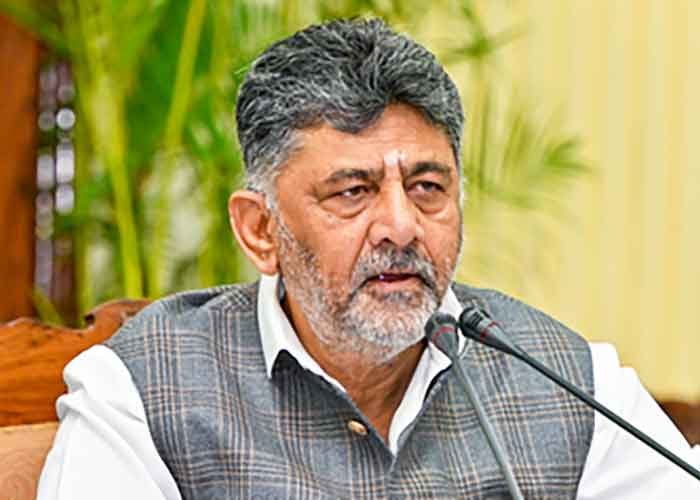
Ending months of political uncertainty, the Congress high command on Monday approved the long-awaited expansion of the Karnataka Cabinet, clearing the induction of 20 legislators as ministers in the D.K. Shivakumar-led government.
According to an official communication from the Chief Minister’s Office, the swearing-in ceremony is scheduled to take place at 4:05 p.m. at the Lok Bhavan premises in Bengaluru.
The approval was conveyed by AICC General Secretary K.C. Venugopal in a letter to Chief Minister D.K. Shivakumar, stating that Congress President Mallikarjun Kharge had approved the proposal for the Cabinet expansion.
Alongside the ministerial appointments, the party also finalised key legislative positions. Senior Congress leader G.S. Patil has been nominated as Speaker of the Karnataka Legislative Assembly, while A.S. Ponnanna will serve as Deputy Speaker. In the Legislative Council, Saleem Ahmed has been appointed Chairperson and Umashree as Deputy Chairperson.
The legislators to be inducted into the Cabinet are P.M. Narendraswamy, Shivaraj Tangadagi, Rudrappa Lamani, K.S. Basavanthappa, B. Nagendra, T. Raghumoorthy, B.Z. Zameer Ahmed Khan, Rizwan Arshad, Santosh Lad, Madhu Bangarappa, Puttarangashetty, Mankala Vaidya, Ajay Singh, N. Chaluvarya Swamy, K.M. Shivalinge Gowda, H.C. Balakrishna, Gayathri Shanthegowda, Basavaraj Rayareddi, Vijayanand Kashappanavar and Laxman Savadi.
The expansion follows weeks of consultations between the state leadership and the Congress high command, with deliberations centred on ensuring balanced regional, caste and factional representation within the ministry.
Reacting to his inclusion, former Deputy Chief Minister Laxman Savadi said those who had opposed his induction would receive their answer after he took oath. He thanked the Congress leadership and Chief Minister Shivakumar for honouring their commitment.
Karnataka Home, Information Technology and Biotechnology Minister Priyank Kharge welcomed the move, saying a full-strength Cabinet was essential for effective governance and would further strengthen the functioning of the state government.
 FOLLOW NOW