

Kolkata, August 2, 2026 (Yes Punjab News)
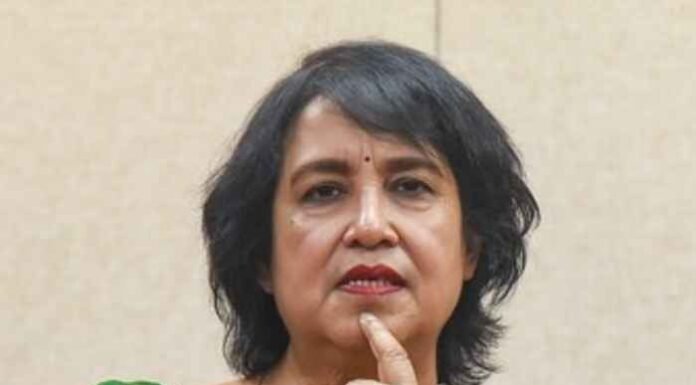
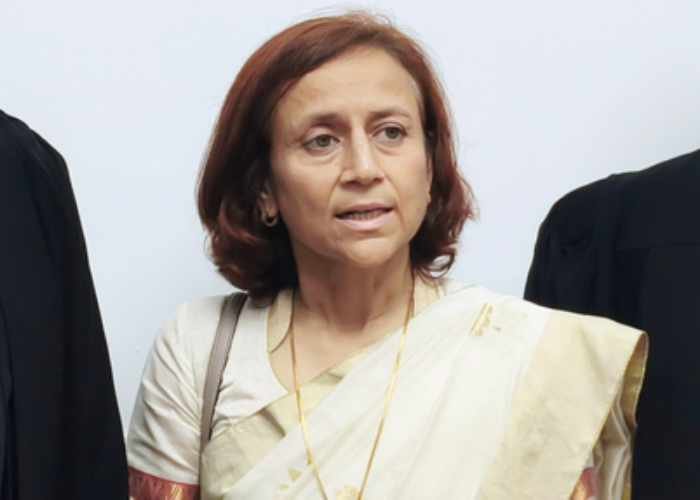
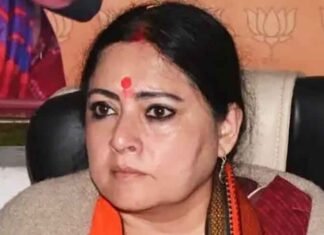
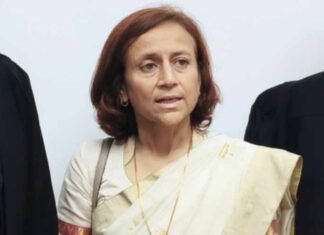
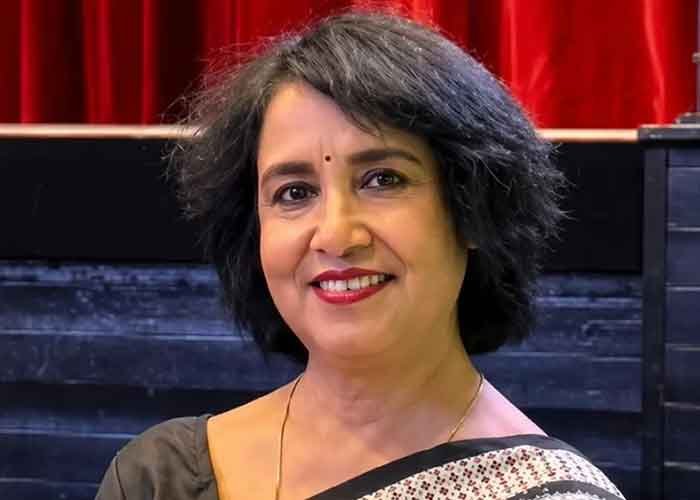
Exiled Bangladeshi author Taslima Nasrin has voiced strong support for the implementation of a Uniform Civil Code (UCC) in India, saying a common legal framework is essential to ensure equality and eliminate discrimination, particularly against women. She also argued that similar legislation is needed in Bangladesh and Pakistan.
Addressing a press conference in Kolkata on Sunday, Nasrin said that many developed countries already have laws comparable to a Uniform Civil Code and asserted that South Asian nations should adopt a similar approach to guarantee equal rights for all citizens.
“All advanced countries have UCC-like laws. Bangladesh, Pakistan and India need a Uniform Civil Code. There should be equal laws for everyone. Women face a great deal of discrimination, and much of it can be removed through a UCC. It is essential,” she said.
Her remarks came shortly after the West Bengal government constituted a high-level committee to examine a draft Uniform Civil Code for the state. According to an official notification, the committee has been tasked with undertaking a comprehensive review of the proposed legislation in view of its wide-ranging implications before any further action is taken.
Related Posts
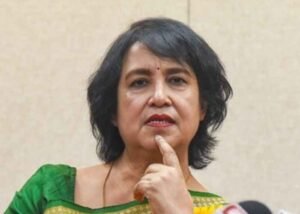
Highlighting the situation in Bangladesh, Nasrin said Hindu women continue to face unequal inheritance rights and argued that a Uniform Civil Code would help ensure equal legal protection and personal freedoms.
Nasrin, who returned to Kolkata after nearly 19 years, was felicitated at a state government function at Rabindra Sadan on Saturday. She had left the city in 2007 after protests over her book Dwikhandito (Split: A Life) prompted the then Left Front government to relocate her.
During the interaction, the author also criticised the role of madrasas and expressed concern over religious fundamentalism in Bangladesh. She alleged that some madrasas had become breeding grounds for extremist ideology and questioned their relevance, citing instances where religious teachers had faced legal action.
Her remarks echoed observations made by former West Bengal Chief Minister Buddhadeb Bhattacharjee, who had stated in 2002 that some unauthorised madrasas in the state’s border areas had become centres of militant activity.
 FOLLOW NOW