

Jammu, August 2, 2026 (Yes Punjab News)
Members of the Kashmiri Pandit community who have returned to the Kashmir Valley after years of displacement say they are optimistic about the future, even as they acknowledge that the larger goal of rehabilitation for the community remains a work in progress.
Several returning families and local residents believe the situation in Jammu and Kashmir has undergone significant changes in recent years, encouraging some displaced Kashmiri Pandits to reconnect with their ancestral homeland.
One community member, whose family migrated from the Valley during the exodus of the 1990s and later settled in Jammu, said the emotional bond with Kashmir never faded despite decades away from home.
He said the family got an opportunity to return after the abrogation of Article 370 and believes the overall situation has improved considerably. According to him, the atmosphere today is different from the past, giving returning families renewed hope for the future.
Local residents also voiced support for the return of displaced Kashmiri Pandits, describing it as a positive development for social harmony and communal coexistence. They pointed to recent examples, including a Kashmiri Pandit family opening a business establishment in Handwara, as a sign of growing confidence and normalcy in the region.
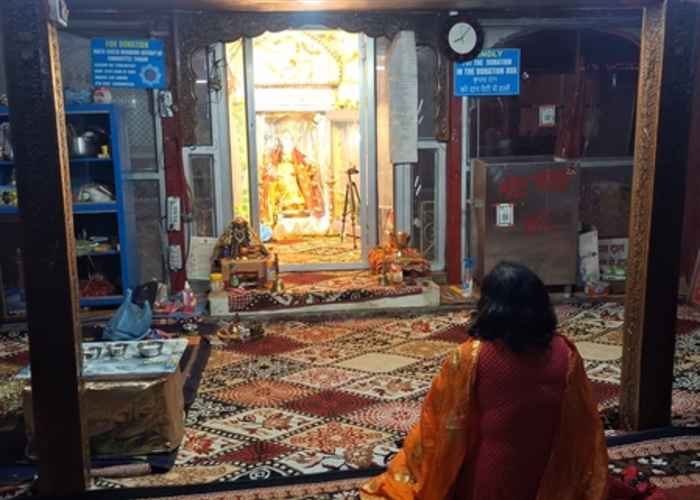
Residents of Kupwara said members of the community are now serving in various government departments as teachers, engineers and clerical staff. They also noted that many Kashmiri Pandits visited temples in the Valley in large numbers this year, reflecting stronger ties with their roots.
Appealing to more displaced families to return, local residents said Kashmir remains their ancestral home and heritage. They expressed hope that the revival of shared traditions and communal harmony would encourage greater participation of the Kashmiri Pandit community in the region’s future.
While optimism is growing among those who have returned, the broader rehabilitation of displaced Kashmiri Pandits continues to remain a significant challenge.
 FOLLOW NOW