

United Nations, July 28, 2026 (Yes Punjab News)
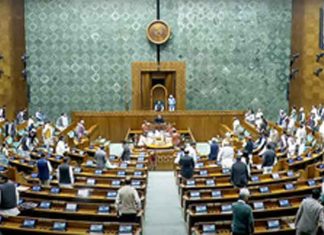
A sharp diplomatic disagreement between the United States and France over the reappointment of UN High Commissioner for Human Rights Volker Turk spilled into the UN Security Council on Monday, with the US delegation staging a walkout as France began addressing the Council.
The rare public display of discord between two longstanding allies followed growing tensions over Turk’s second term, which was approved by the UN General Assembly on Friday despite opposition from both the United States and Russia.
The walkout occurred during a Security Council discussion on Ukraine. Senior US diplomat Dan Negrea later said the move was intended as a protest against what he described as France’s “disingenuous grandstanding” on human rights. He accused France of adopting a condescending approach and said the US would not listen to its remarks until its conduct reflected the responsibilities of a Security Council member.
The dispute intensified after France’s UN mission in Geneva criticised Washington on social media for voting alongside Russia and North Korea against Turk’s reappointment, saying the US had become isolated on human rights issues. US Permanent Representative Mike Waltz responded by accusing France of supporting a UN official who had repeatedly criticised democratic nations while showing leniency towards authoritarian regimes.
Turk secured a second term with the backing of 144 member states. Ten countries voted against his reappointment, while 13 abstained. India supported his re-election despite past criticism directed at New Delhi by the UN human rights office.
Before the vote, the United States unsuccessfully sought to postpone the election, arguing that member states had not been given adequate notice. Russia later proposed delaying the appointment until a new UN Secretary-General takes office next year, but that motion was also rejected. India abstained on both procedural votes.
Turk, who has headed the UN human rights office since 2022, has frequently drawn criticism from multiple governments over his assessments of human rights situations worldwide. His reappointment has now become the latest flashpoint exposing widening differences between Washington and several of its traditional allies on multilateral institutions and international human rights policy.
 FOLLOW NOW