

Chandigarh, June 16, 2026 (Yes Punjab News)
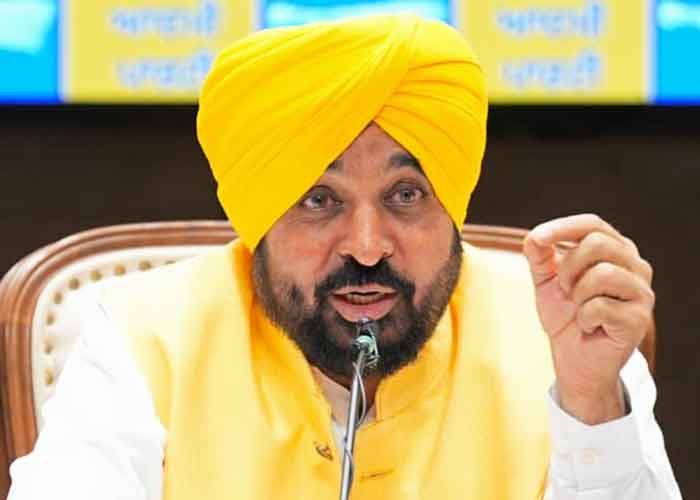
Punjab’s ‘Yudh Nashean Virudh’ led by Punjab Chief Minister Bhagwant Mann is now being defined by stories of recovery and hope that have come their way through jobs and employment. Former addicts who once struggled to get rid of substance abuse are now busy rebuilding their lives working at hotels, restaurants, shopping malls, many are self-employed, at D-Mart, Blinkit, etc.
Ever since the Yudh Nashean Virudh campaign took off in the state in March 2025, many victims of substance abuse who have completed treatment at various de-addiction facilities across Punjab have found employment, demonstrating how livelihood can give a direction towards long-term recovery.
Among them is Daljinder Singh, name-changed, who joined the D-Mart outlet in February, 2026. He has responded well to the demands of employment and is slowly rebuilding his life little by little. Daljinder says, “Getting a job gave me a reason to wake up every morning. It gave me confidence. Life feels good now…even a cup of tea in the morning brings a smile to my face.”
Praveen Dhall, who secured a job with a quick-commerce delivery service provider of groceries, fruits, vegetables, and other daily essentials, says, “Rehabilitation helped me survive, but a job helped me live again.
When I began earning, I stopped seeing myself as an addict trying to recover and started seeing myself as a person with responsibilities and a future. That feeling kept me firmly away from drugs.”
The Yudh Nashean Virudh goes beyond rehabilitation. A case in point is at the Jalandhar De-Addiction Centre where former victims of substance abuse who joined the mainstream are regularly tracked to assess their progress and examine if there are any signs of relapse.
In follow-ups, several recovered individuals were found to be employed, a significant step toward their family and economic reintegration. As more beneficiaries move from treatment centres into jobs and self-employment, the impact of CM Bhagwant Mann’s Yudh Nashean Virudh is increasingly being measured not only in arrests and seizures but also in terms of lives restored and employment opportunities sought.
Counsellors who have been the pivots in helping extricate victims out of drug abuse say the transition from treatment to employment can be one of the strongest indicators of successful rehabilitation.
“Recovery is about much more than giving up drugs,” said Bhavna Sharma, a counsellor at Swami Vivekanand Drug De-addiction Centre, Amritsar Medical College. “We encourage patients to express their emotions, rebuild their lives and set goals for future. When they begin to see a path towards employment and a stable life, they become more committed to staying drug-free.”
Dr Abhay Raj Singh, Nodal Psychiatrist, Jalandhar De-addiction Centre, Yudh Nasehan Virudh said, “Such success stories underline the importance of linking de-addiction treatment with rehabilitation and employment support. Every recovering individual who returns to work represents not just a personal victory, but a stronger family and a safer community.”
As more beneficiaries move from treatment centres into jobs and self-employment, the campaign’s impact is increasingly being measured not only in arrests and seizures, but in lives restored, livelihoods rebuilt and futures reclaimed.
 FOLLOW NOW