


Chennai, August 2, 2026 (Yes Punjab News)
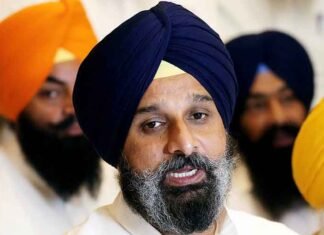
Viduthalai Chiruthaigal Katchi (VCK) president Thol. Thirumavalavan on Sunday said that India’s Generation Z is rapidly emerging as a significant political force, with its digital-first style of mobilisation and unconventional forms of protest transforming the country’s political landscape and challenging traditional methods of political engagement.
Speaking at a public programme, Thirumavalavan observed that the aspirations, priorities and methods adopted by young people differ substantially from those associated with conventional political movements, making it increasingly difficult for political parties and leaders to anticipate the expectations of the younger generation.
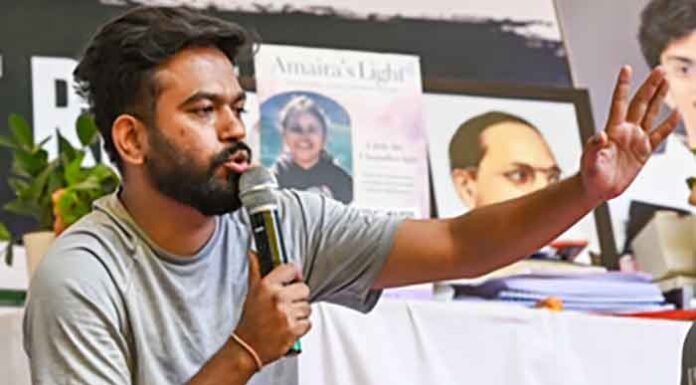
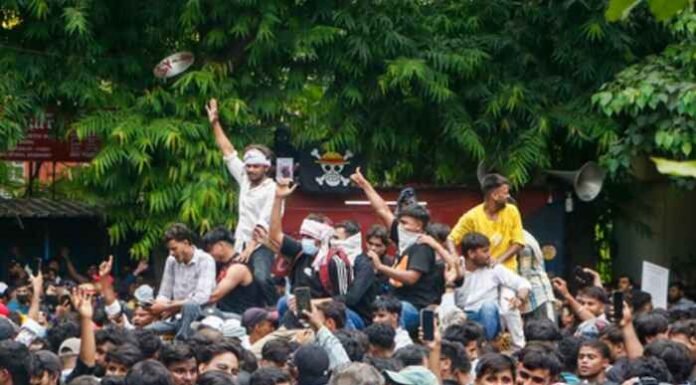
He said recent youth-led movements had demonstrated how large-scale mobilisation through social media and digital platforms could build momentum quickly and compel governments to respond. According to him, such campaigns have shown the ability to influence public discourse and generate political pressure in a relatively short period.
The VCK leader noted that established opposition parties, including the Congress and Left parties, have organised protests on major public issues over the years. However, he argued that decentralised campaigns driven by young people through online platforms have, in some cases, achieved faster political outcomes than traditional forms of agitation.
Referring to the resignation of former Union Minister Dharmendra Pradhan, Thirumavalavan claimed that sustained pressure generated by youth-led mobilisation had played an important role in prompting political action. He added that relying solely on conventional party-led protests may not have produced such a swift response.
Highlighting the growing influence of digital communication, the VCK chief said Gen Z is able to organise, coordinate and amplify issues almost instantly without depending on traditional political structures or established leadership.
He further said these evolving forms of political participation do not necessarily follow familiar ideological or organisational patterns, making them more difficult for governments and political parties to predict or counter.
Thirumavalavan stressed that political organisations must understand the changing aspirations and methods of the younger generation, as Gen Z is likely to play an increasingly influential role in shaping public opinion, electoral politics and the country’s political direction in the years ahead.
 FOLLOW NOW