

New Delhi, August 1, 2026 (Yes Punjab News)
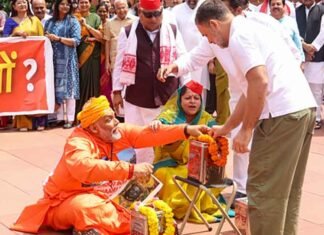
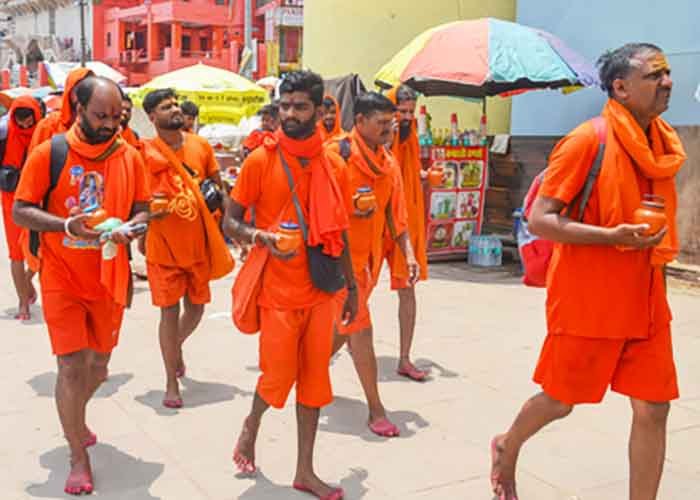
Videos from previous years showing police personnel assisting Kanwar Yatra pilgrims, including massaging the feet of tired devotees, have triggered a fresh political debate over the role of government officials in religious events.
As the annual Kanwar Yatra gains momentum, political leaders have expressed differing views on whether such gestures represent humanitarian service towards pilgrims or go beyond the limits of official duty and constitutional neutrality.
Samajwadi Party Maharashtra president Abu Azmi criticised what he described as selective treatment of religious communities. Referring to instances of flowers being showered on Kanwar pilgrims and police personnel helping devotees, Azmi alleged that such actions created differences in the way various communities were treated and could affect social harmony.
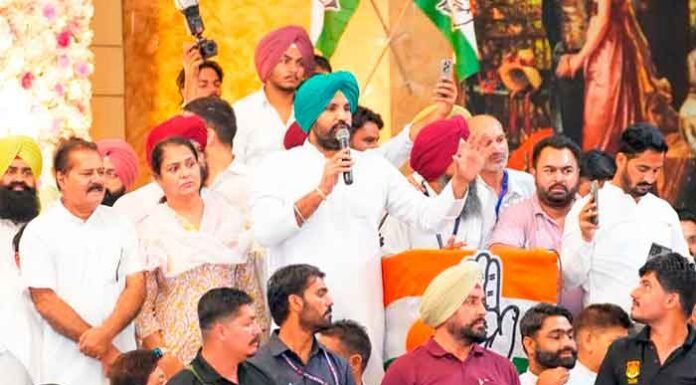
Congress leaders also raised objections to police personnel performing such acts while in uniform. Party spokesperson Surendra Rajput said assisting citizens was part of public service, but argued that police officers should not engage in religiously associated activities while performing official duties.
Congress leader Hussain Dalwai said helping pilgrims could be an individual’s personal choice but should not be considered the responsibility of the police force. Congress MP Akhilesh Prasad Singh also said officers should avoid such activities in uniform while adding that personal acts of kindness should not be criticised.
Defending the practice, Shiv Sena spokesperson Sanjay Nirupam said helping Kanwar pilgrims was an act of compassion. He pointed out that devotees often undertake long journeys on foot during the month of Sawan and face physical hardships, including exhaustion and injuries.
Spiritual leader Devkinandan Thakur said he had not personally seen videos of police personnel massaging pilgrims’ feet and stressed that the focus should remain on providing proper arrangements such as roads, drinking water and other facilities for devotees. He added that serving pilgrims was part of Indian cultural traditions.
AIMIM national spokesperson Waris Pathan linked the issue to the broader question of equality and uniform application of constitutional principles. He alleged that different standards were being applied to religious practices and questioned whether all communities received equal treatment.
The debate continues to highlight the wider discussion over the balance between public service, religious sensitivity and the responsibilities of government officials.
 FOLLOW NOW