


New Delhi, Aug 2, 2026 (Yes Punjab News)
An analysis published by Indian Narrative has raised concerns about the growing influence of algorithm-driven social media platforms on India’s Generation Z, arguing that personalised content feeds can amplify misinformation, emotional polarisation and online propaganda among young users.
Citing the UN World Population Prospects, the article notes that India has around 407 million people in the 14-29 age group, accounting for nearly 28 per cent of the country’s population. It describes this demographic as a significant electoral and social force in the years ahead.
The analysis also refers to a study by the Indian Institute of Management (IIM) Rohtak, which found that nearly 39,000 respondents aged 18 to 25 spent an average of seven hours daily on digital screens, with a substantial share of that time devoted to social media platforms.
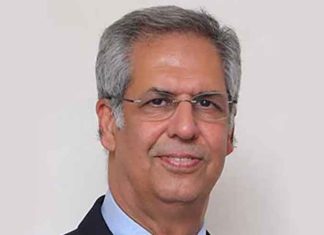
Authored by Lt Gen (Retd.) Abhay Krishna, the article argues that social media algorithms are designed primarily to maximise user engagement rather than promote factual or balanced information. According to the analysis, content that provokes strong emotional reactions is often given greater visibility, potentially influencing public discourse and shaping political opinion.
The article cites international examples, including debates surrounding the handling of the Hunter Biden laptop story in the United States and investigations into Meta’s role in the spread of anti-Rohingya hate content in Myanmar. It notes that UN investigators and Amnesty International have previously examined the platform’s role in amplifying harmful content during the crisis.
The analysis also refers to recent developments in South Asia, including protests in Nepal and Bangladesh, and argues that social media platforms played a significant role in mobilising public opinion. It further links similar digital mobilisation patterns to protests over the NEET paper leak issue in India, alleging that AI-generated content, coordinated influencer activity and misinformation circulated widely during the agitation.
Rather than advocating an outright ban on major social media platforms, the article suggests that policymakers should explore regulatory approaches based on legal oversight, economic measures, infrastructure and stronger digital governance to address concerns while avoiding broad platform prohibitions.
 FOLLOW NOW