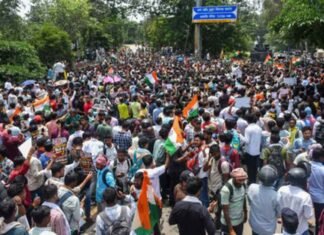


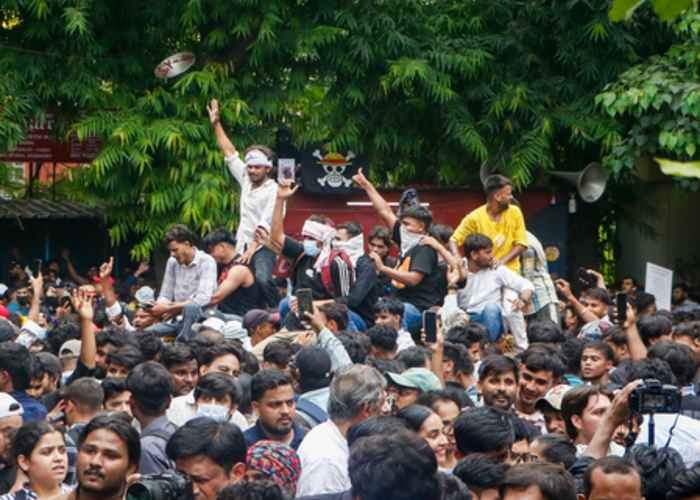
The recent Cockroach Janta Party (CJP)-led protest over alleged examination paper leaks has triggered a broader debate on the state of India’s education system, the influence of politics on youth movements and the quality of public discourse, according to an opinion article.
The commentary argues that while the protests were initially centred on concerns over examination irregularities, they also highlighted wider issues, including institutional shortcomings, the commercialisation of education, declining social values and the growing influence of social media on public behaviour.
It notes that the controversy drew attention to the need for reforms in the examination system, stronger institutional accountability and greater efforts to prevent the exploitation of students’ concerns for political purposes.
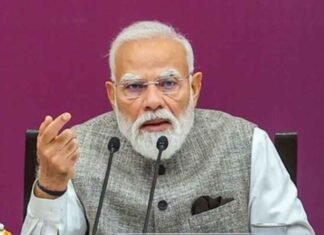
The opinion piece also refers to a series of public messages issued by Prime Minister Narendra Modi during the protests. According to the article, the Prime Minister announced plans for fast-track courts to deal with paper leak cases, proposed stricter legal provisions against those involved in examination fraud and later constituted a task force headed by Infosys co-founder Nandan Nilekani to recommend comprehensive reforms to India’s examination system.
The commentary further highlights the Prime Minister’s appeal for a balanced approach while responding to young protesters. It says he urged society to guide and reform youth rather than isolate them, even while condemning abusive language and deteriorating standards of public debate.
The article also criticises the broader political discourse surrounding the protests, arguing that the debate shifted away from substantive issues such as examination reforms and institutional accountability. It suggests that both political leadership and society have a responsibility to ensure that public concerns are addressed constructively.
The opinion concludes that the episode should serve as a reminder of the need to strengthen educational institutions, encourage responsible civic engagement among young people and promote respectful public dialogue, while ensuring that legitimate concerns receive meaningful policy attention.
 FOLLOW NOW