



Chhatrapati Sambhajinagar, August 2, 2026 (Yes Punjab News)
The Cockroach Janta Party (CJP), an online youth movement led by Abhijeet Dipke, is expected to take a key decision on its future, including whether to formally enter electoral politics, at a core committee meeting scheduled for August 5 in Chhatrapati Sambhajinagar, according to sources.
The meeting, to be chaired by Dipke at his residence, will bring together senior members of the organisation to deliberate on feedback received from supporters across various states and chart the movement’s future course.
Sources said Dipke is expected to address a press conference after the meeting to announce the decisions taken by the core committee.
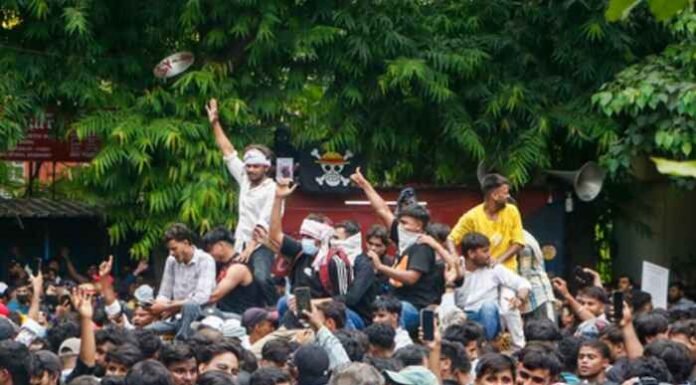
The proposed discussions come in the wake of the movement’s high-profile protest at Delhi’s Jantar Mantar over the NEET paper leak controversy. Supporters of the outfit believe the campaign significantly raised the organisation’s profile and has fuelled expectations regarding its future role in public life.
According to party functionaries, the August 5 meeting has a single-point agenda — deciding the future direction of the CJP, including whether it should continue solely as a public movement or expand its role.
Following the conclusion of the Delhi protest, Dipke had indicated that the organisation intended to continue functioning as a platform to raise issues affecting students and youth. At the same time, he has repeatedly maintained that the movement believes in peaceful and democratic methods and would neither become a front for any political party nor align itself with an existing political organisation.
Observers say the organisation now faces the challenge of sustaining issue-based campaigns while maintaining public support. They also note that the movement’s rapid growth through social media and widespread youth participation has generated debate over its long-term trajectory.
The recent expansion of the CJP has also drawn scrutiny amid allegations regarding the role of external actors in amplifying the movement. However, analysts maintain that while outside influences may amplify existing grievances, they cannot create public discontent where none exists.
 FOLLOW NOW