



New Delhi, August 3, 2026 (Yes Punjab News)
Pakistan’s ongoing political, economic and regional challenges have renewed debate over the lessons of 1971, with analysts warning that ignoring provincial concerns and demands for greater inclusion could deepen existing fault lines.
The country is currently facing political polarisation, institutional distrust and unrest in several provinces. Observers say Pakistan’s leadership faces a choice between repeating past mistakes or adopting a path focused on dialogue, reform and wider political participation.
The events of 1971, when East Pakistan separated to become Bangladesh, remain a significant reference point in discussions about governance and federal relations. At the time, political disputes, economic disparities and the rejection of the Awami League’s electoral mandate contributed to a crisis that eventually led to civil war and separation.
Today, Pakistan’s political environment remains highly divided, with rival parties frequently accusing state institutions, including the judiciary, Parliament and Election Commission, of bias. This has weakened public confidence and increased the military’s influence in political affairs.
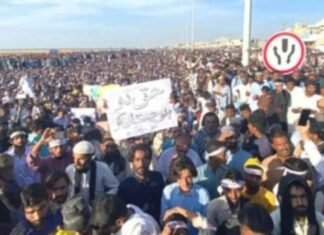
The security-focused approach towards unrest in provinces such as Balochistan and Khyber Pakhtunkhwa has also drawn criticism from sections of society. Balochistan, despite being rich in natural resources, continues to face complaints over underdevelopment and limited local control over resources.
In Khyber Pakhtunkhwa, decades of militancy and counterinsurgency operations have left social and political challenges, with parts of the population seeking greater participation in mainstream governance.
Pakistan-occupied Jammu and Kashmir has also witnessed protests and political discontent, adding to concerns over governance and representation.
Analysts point out that economic inequalities and regional grievances were among the factors that contributed to tensions in East Pakistan. They argue that addressing provincial concerns through political engagement and equitable development remains crucial for Pakistan’s stability.
The current situation, they say, highlights the importance of learning from history and strengthening democratic institutions to prevent further divisions.
 FOLLOW NOW