



Jaipur, August 1, 2026 (Yes Punjab News)
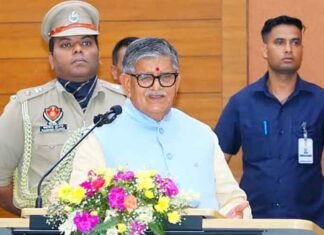
Chief Justice of India Justice Surya Kant on Saturday said mediation and dispute resolution through mutual understanding are deeply embedded in India’s civilisational traditions, with references found in the Vedas, ancient texts and the philosophies of thinkers such as Kautilya and Mahatma Gandhi.
Addressing delegates on the second day of the Commonwealth Mediation Conference in Jaipur, the CJI said mediation had been an integral part of Indian society long before the enactment of the Mediation Act, 2023.
He said both the Legislature and the Judiciary have played an important role in strengthening mediation as an effective method of resolving disputes.
Explaining the importance of understanding interests rather than positions during mediation, Justice Surya Kant narrated the example of two sisters disputing ownership of an orange. He said both sisters insisted on their claim, but after a prolonged argument they agreed to divide the orange equally. One used only the fruit while discarding the peel, while the other used the peel for baking a cake after discarding the fruit.
The CJI said that if the sisters had communicated their actual needs, one could have received the entire fruit and the other the entire peel, highlighting the value of dialogue in resolving conflicts.
Justice Surya Kant said India’s ancient traditions contain several examples of mediation and reconciliation. Referring to texts such as the Ramayana and the Mahabharata, he said they provide insights into different aspects of dispute resolution.
He also cited Kautilya’s Arthashastra, where the ancient strategist outlined four approaches to governance — ‘Saam’ (conciliation), ‘Daam’ (inducement), ‘Dand’ (punishment) and ‘Bhed’ (division). The CJI noted that Kautilya placed persuasion and conciliation first, reflecting the importance of dialogue.
Highlighting traditional dispute resolution systems, he said disputes in ancient India were often first taken to the ‘Kula’ (family), followed by the ‘Shreni’ (guild), the ‘Puga’ (assembly), and only later to the King. The primary principle was to resolve disagreements through discussion before seeking formal adjudication.
The CJI also recalled Mahatma Gandhi’s experience as a lawyer, saying Gandhi considered helping parties reach an amicable settlement among the most satisfying aspects of his legal practice.
Justice Surya Kant said mediation has been part of India’s social fabric for centuries and that contemporary legal reforms are strengthening a practice already rooted in the country’s culture.
 FOLLOW NOW