


New Delhi, July 30, 2026 (Yes Punjab News)
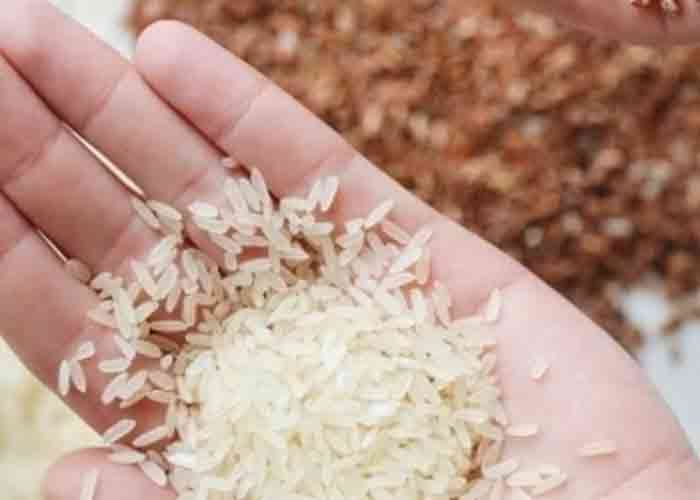
The Central government has informed Parliament that the use of surplus broken rice for ethanol production is not contributing to food inflation, asserting that adequate food stocks are maintained before any allocation is made for biofuel manufacturing.
In a written reply in the Lok Sabha on Wednesday, Minister of State for Food Nimuben Jayantibhai Bambhaniya said broken rice is supplied for ethanol production only after ensuring sufficient buffer stocks and meeting the requirements of the National Food Security Act (NFSA) and other government welfare schemes.
She explained that only surplus rice available in the Central Pool is sold through the Open Market Sale Scheme, from which allocations are made for ethanol production.
The minister also highlighted the growing role of maize in India’s ethanol programme, stating that its inclusion as a feedstock has provided farmers with a stable market and improved price realisation.
According to the third advance estimates for the 2025-26 crop year, India’s maize production is projected at 55 million tonnes, a level the government believes is sufficient to meet the requirements of ethanol manufacturing as well as the poultry, cattle feed and other sectors.
To ensure uninterrupted feed availability, the poultry industry has also diversified its raw material base by using domestically available alternatives such as rice bran, broken rice, bajra and wheat offal, she added.
The minister informed the House that during the 2024-25 ethanol supply year, which ended in November, approximately 13.1 million tonnes of maize and about 3.18 million tonnes of surplus rice from the Food Corporation of India (FCI) were utilised for ethanol production.
India currently produces ethanol from rice, maize and sugarcane, with maize emerging as the largest feedstock in recent years.
The government also reiterated that the Ethanol Blended Petrol (EBP) Programme has become a key component of India’s energy transition strategy. According to an official factsheet, the programme has saved more than ₹1.90 lakh crore in foreign exchange by reducing crude oil imports by 310 lakh metric tonnes between 2014-15 and May 2026. It has also generated additional earnings of over ₹1.6 lakh crore for farmers while reducing carbon emissions by more than 930 lakh metric tonnes.
 FOLLOW NOW