


New Delhi, July 31, 2026 (Yes Punjab News)
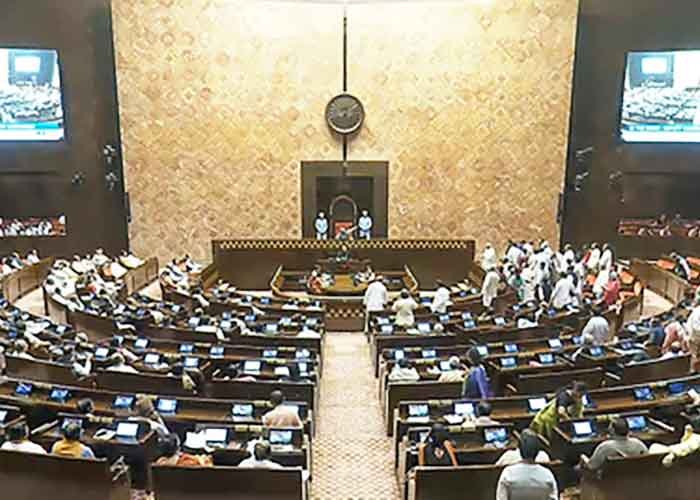
Union Parliamentary Affairs Minister Kiren Rijiju on Friday appealed to Opposition parties to raise their concerns in Parliament without disrupting proceedings, saying several important Bills were scheduled for discussion and passage in the ongoing session.
Rijiju also welcomed Parliament’s approval of the Public Examinations (Prevention of Unfair Means) Amendment Bill, 2026, describing it as a crucial step towards preventing paper leaks and protecting the future of students.
Speaking to reporters, Rijiju said the legislation had received support from an overwhelming majority of MPs and that opposition to it was limited to those who opposed the measure for political reasons.
“The Bill related to exam paper leaks has been passed with the support of an overwhelming majority of MPs. There was no opposition to it except from those who opposed it for political reasons. Otherwise, everyone is serious about education and preventing exam paper leaks,” he said.
The Minister said Prime Minister Narendra Modi had thanked MPs for supporting the legislation and stressed that it should be implemented at the earliest to safeguard students.
Rijiju said members of the Opposition were free to raise issues of public importance but should avoid disruptions that affect the functioning of Parliament and delay legislative business.
The Rajya Sabha passed the Public Examinations (Prevention of Unfair Means) Amendment Bill, 2026, by voice vote on Thursday, completing the parliamentary approval process after the Lok Sabha cleared it earlier. Opposition parties led by the Congress staged a walkout during the Upper House proceedings.
The amended law provides stringent punishment for those involved in paper leaks and unfair practices in public examinations. Individuals convicted under the provisions may face imprisonment of five to 10 years and a fine of up to Rs 50 lakh.
For organised paper leak networks, the law proposes a minimum imprisonment of seven years and a fine of up to Rs 10 crore. It also allows states and Union Territories to designate Sessions Courts as special fast-track courts for trial of offences under the Act.
The legislation further mandates day-to-day proceedings in such courts, with trials expected to conclude within three months from the filing of the charge sheet.
 FOLLOW NOW