

New Delhi, July 30, 2026 (Yes Punjab News)
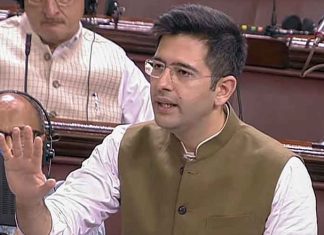
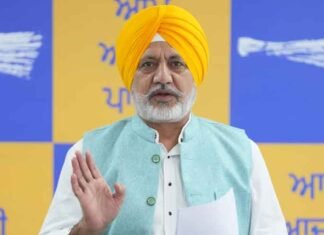
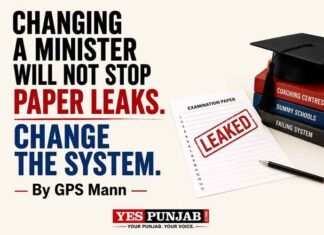
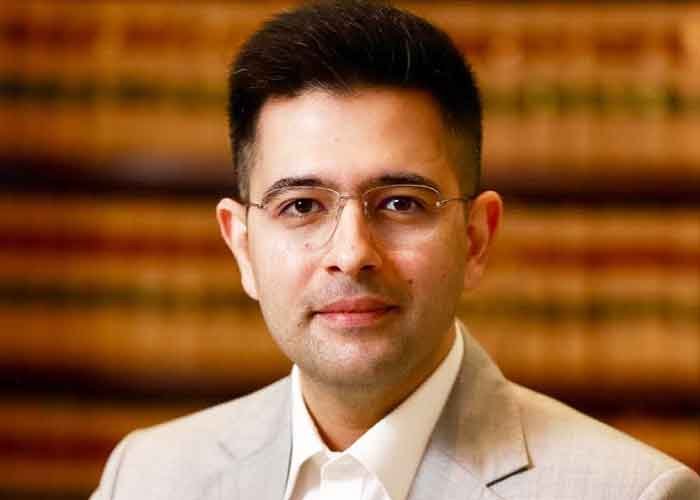
Rajya Sabha MP Raghav Chadha on Thursday extended support to the Public Examinations (Prevention of Unfair Means) Amendment Bill, saying the proposed legislation introduces structural reforms to curb examination paper leaks and safeguard the interests of students.
Participating in the debate in the Upper House, Chadha said the frustration of students over repeated examination leaks was justified and stressed that the issue required long-term institutional solutions rather than political rhetoric.
Referring to questions over his earlier silence on the controversy, Chadha said his current role required him to focus on solving problems through legislative measures. He maintained that paper leaks could not be tackled through “sound-bites” but demanded systemic reforms, remarking that “cancer cannot be treated with Crocin.”
Highlighting the sacrifices made by students and their families, Chadha said many parents take loans and make financial compromises to support children preparing for competitive examinations in coaching centres across cities such as Kota, Chandigarh, Jaipur, Delhi and Patna. A single paper leak, he said, can shatter years of hard work, undermine confidence and affect the mental well-being of aspirants.
Drawing on his own experience as a Chartered Accountant, Chadha said he understood the pressure faced by students. He also referred to past incidents of examination paper leaks, including those reported in Karnataka and Himachal Pradesh, to underline that the problem has affected different states over the years.
Calling for student protests to remain peaceful and non-partisan, Chadha said the right to protest and raise concerns is constitutionally protected, but cautioned against politicising student movements. He also criticised the Punjab government over incidents of examination malpractice.
Explaining the provisions of the proposed law, Chadha said it targets organised examination fraud by bringing within its ambit coaching syndicates, insiders, logistics operators, printing press personnel, solver gangs and officials involved in the conduct of examinations.
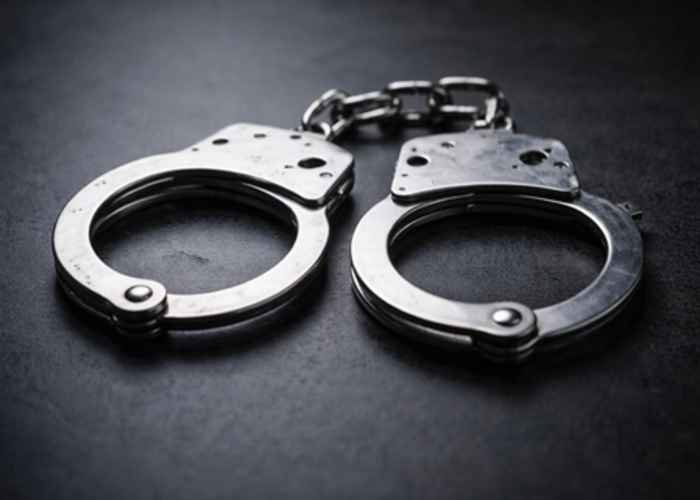
The Bill provides for penalties of up to ₹10 crore, while offences have been categorised as cognisable, non-bailable and non-compoundable. It also envisages investigation by a special task force within two months in cases of suspected paper leaks and trial through fast-track courts with a view to concluding cases within three months.
Concluding his remarks, Chadha said protecting the integrity of public examinations was essential for preserving students’ trust in the system and ensuring that merit remained the foundation of recruitment and admissions.
 FOLLOW NOW