
New Delhi, August 5, 2026 (Yes Punjab News)
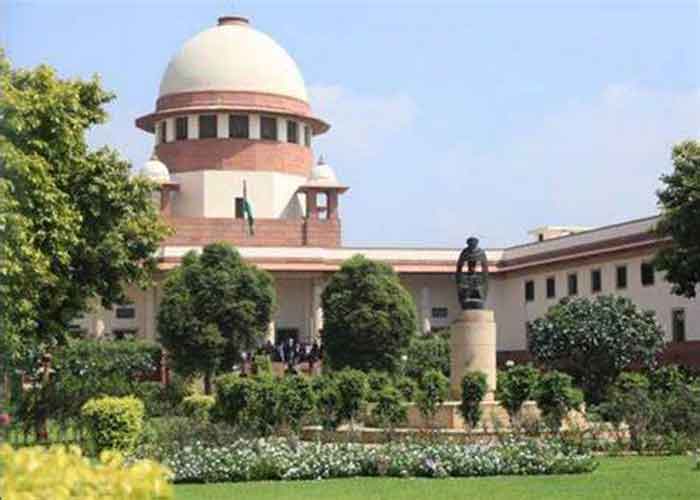
The Supreme Court has clarified that its recent interim order restricting the use of audio and video recordings of court proceedings does not prevent recognised news organisations from reporting judicial proceedings. However, it reiterated that such outlets cannot use courtroom audio or video clips as part of their coverage.
A Bench headed by Chief Justice of India (CJI) Surya Kant and comprising Justices Joymalya Bagchi and V. Mohana issued the clarification after noting that “some confusion persists” over paragraph 11 of its July 24 interim order passed in a matter concerning the implementation of a uniform framework for live streaming and recording of court proceedings across the country.
Clarifying the scope of the earlier order, the Bench said the direction should not be interpreted as imposing a blanket ban on reporting by recognised news organisations.
“Such outlets may, therefore, continue to report on the proceedings and inform the general public of legal developments and judicial pronouncements, save that audio or video clips of the court proceedings shall not be utilised in the course of such reportage,” the court observed.
The Bench further stated that while media organisations can continue reporting on court proceedings, they would remain bound by the restrictions mentioned in paragraph 10 of the July 24 order. The court accordingly clarified paragraph 11 to that extent.
The apex court also granted four weeks’ time to the respondents to file their counter affidavits and scheduled the next hearing in the matter for September 18.
In its earlier order passed on July 24, the Supreme Court had directed that audio and video recordings of judicial proceedings cannot be extracted, circulated, monetised, uploaded, transmitted, modified, stored or hosted on social media platforms or any other digital platforms without prior permission from the Secretary General of the Supreme Court or the Registrars General of the respective High Courts.
The directions were issued while hearing a writ petition seeking a uniform mechanism for live streaming and recording of court proceedings. The court had issued notices to all High Courts, along with major social media intermediaries and technology platforms, making them parties to the proceedings.
The Supreme Court had also directed the Union government to place before it a proposal prepared through the concerned nodal ministries for implementing the reliefs sought in the petition. It further asked all High Courts to submit status reports on the adoption of the Model Rules for live streaming and recording of proceedings, including the possibility of continuous and uninterrupted live streaming.
 FOLLOW NOW