


New Delhi, August 5, 2026 (Yes Punjab News)
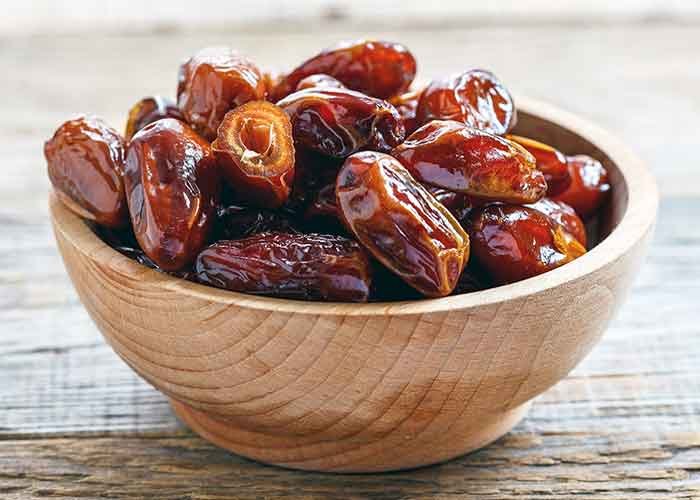
The Directorate of Revenue Intelligence (DRI) has seized 364 metric tonnes of dry dates valued at around Rs 3 crore at Gujarat’s Kandla Port after allegedly detecting an attempt to bypass India’s ban on Pakistan-origin imports by routing the consignment through the UAE.
According to the Ministry of Finance, DRI officers intercepted 13 containers carrying the dry dates following specific intelligence inputs. The consignment had been declared as originating from the United Arab Emirates, but subsequent investigation revealed that the goods were actually sourced from Pakistan.
“Investigation revealed that the goods, though declared as originating from the UAE, were in fact of Pakistan origin,” the ministry said.
The probe found that the dry dates were initially transported from Pakistan to Dubai, where they were transferred into another set of containers before being shipped to India. Officials alleged that the importers concealed the actual origin of the goods and provided incorrect declarations to evade restrictions on Pakistan-origin imports.
The entire consignment was seized under the provisions of the Customs Act, 1962.
The seizure follows another recent action by the DRI involving alleged misdeclaration of Pakistan-origin goods. Last week, officials intercepted around 14 metric tonnes of Guggul resin worth nearly Rs 1.4 crore at Tuticorin Port.
The consignment was declared as natural resin originating from Somalia and routed through Dubai. However, investigation revealed that the material was actually Guggul resin of Pakistani origin. Authorities also found that forged documents were allegedly used in the transshipment process, leading to the arrest of two persons suspected to be involved in the operation.
Guggul resin, extracted from the Commiphora species, is found in arid regions of India and Pakistan. The plant is listed under Appendix II of the Convention on International Trade in Endangered Species of Wild Fauna and Flora (CITES) and is classified as Critically Endangered on the IUCN Red List.
 FOLLOW NOW