

United Nations, July 29, 2026 (Yes Punjab News)
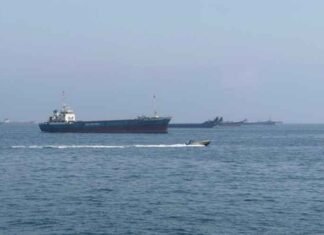
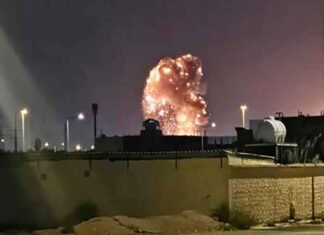
India has strongly condemned the recent attacks on commercial vessels operating in the Strait of Hormuz and the Bab al-Mandab Strait, calling for the immediate restoration of free and unhindered navigation through the vital international waterways.
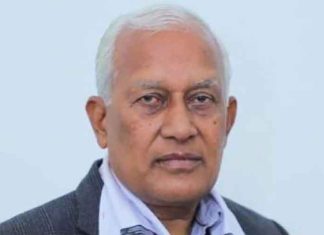
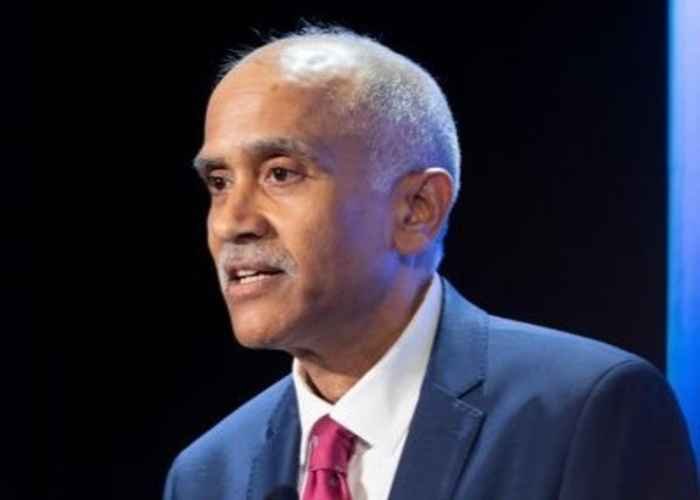
Addressing a United Nations Security Council debate on the Middle East on Tuesday (local time), India’s Permanent Representative to the UN, P. Harish, said attacks targeting commercial shipping and civilian infrastructure must cease without delay.
He stressed that navigation and commerce through the region’s international waterways should be restored in accordance with international maritime law, underlining the importance of ensuring the safety of global trade routes.
Harish referred to recent attacks on the vessels GFS Galaxy, MT Al Bahiyah and MT Mombasa, all of which had Indian crew members on board while transiting the Strait of Hormuz. He said several Indian nationals were injured in the incidents, including some seriously, while one Indian lost his life and another remains missing.
Reiterating India’s longstanding position, Harish said New Delhi has consistently opposed acts of violence that endanger seafarers and disrupt safe maritime navigation.
He also condemned attacks on commercial shipping in the Bab al-Mandab Strait, noting that the protection of the strategic waterway and the southern Red Sea is a shared international responsibility. India, he said, remains committed to the unity, sovereignty and territorial integrity of Yemen and opposes any external interference in its internal affairs.
Highlighting India’s deep economic and strategic ties with the Gulf region, Harish called for a return to dialogue and diplomacy to restore peace and stability.
He noted that India’s annual bilateral trade with the region stands at around $180 billion, with cumulative foreign direct investment exceeding $31 billion and remittances of more than $52 billion from the Gulf Cooperation Council (GCC) countries alone.
Harish added that the security and well-being of nearly 10 million Indians living in the Gulf remain a key priority for the Government of India, making regional stability crucial for the country’s economic and energy security.
 FOLLOW NOW