

Khajuraho, July 28, 2026 (Yes Punjab News)
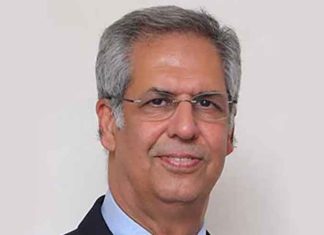
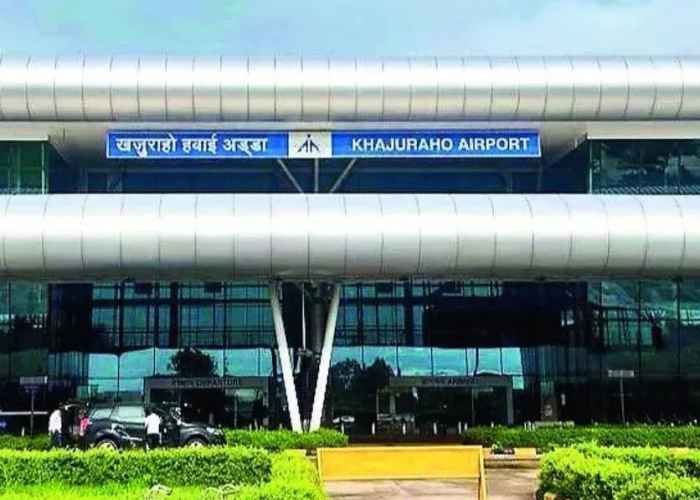
Regular flight operations at Khajuraho Airport are expected to resume in September after remaining suspended for nearly two months due to airline-related operational and commercial considerations, Airport Director Santosh Singh said on Tuesday.
Addressing a press conference, Singh clarified that the suspension was not caused by any infrastructure or operational shortcomings at the airport. Instead, he attributed the temporary halt to the airline’s internal planning, including aircraft availability, network restructuring, crew management and slot allocation.
He said the airport has remained fully functional throughout the suspension period and is prepared to handle scheduled services as soon as airlines restore operations.
The resumption of flights is expected to significantly improve connectivity to Khajuraho, home to the UNESCO World Heritage-listed temple complex that attracts large numbers of domestic and international visitors every year. Officials believe renewed air services will provide a boost to tourism and support the local economy.
Highlighting recent achievements, Singh said Khajuraho Airport secured the top position in the Airports Authority of India’s Customer Satisfaction Index (CSI) survey, reflecting high passenger ratings for cleanliness, safety, amenities and overall service quality.
The airport has expanded passenger facilities with more than 25 amenities, including a Kids’ Zone, Fly Library, free Wi-Fi, child care and baby feeding room, EV charging station, automated parking, prepaid taxi service, tourist assistance centre, mobile charging points, upgraded restrooms, disabled-friendly infrastructure and a VIP lounge.
According to airport data, nearly 40,000 passengers travelled through Khajuraho Airport during the first six months of this year. Annual passenger traffic has also shown steady growth, increasing from 15,701 in 2022 to 50,300 in 2023, 49,715 in 2024 and 51,543 in 2025.
Singh said the airport is equipped with a 2,286-metre runway, two aerobridges, 10 aircraft parking bays, CAT-I Instrument Landing System (ILS), DVOR/DME navigation aids, a modern Air Traffic Control system and a passenger terminal with an annual handling capacity of 1.5 million travellers. A radar surveillance facility is also planned as part of future infrastructure upgrades.
 FOLLOW NOW