
Khartoum, August 24, 2026 (Yes Punjab News)
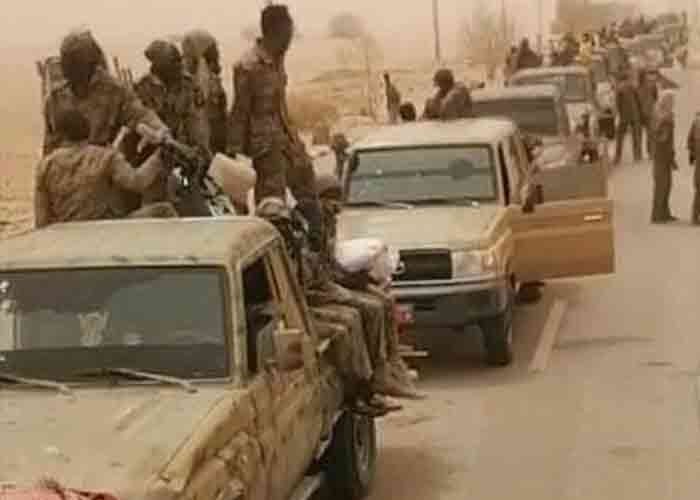
The reported deployment of 100 Pakistani-made Mohafiz-V armoured vehicles during a Sudanese Armed Forces (SAF) military parade in Khartoum has raised fresh concerns over the growing role of external military support in Sudan’s devastating conflict.
According to a report published by The Capitol Institute, the appearance of the armoured vehicles could indicate a broader defence arrangement between Pakistan and Sudan, reportedly valued at around $1.5 billion.
The Mohafiz-V, developed by Pakistan’s state-owned defence industry, is designed to operate in difficult and semi-arid terrain, conditions prevalent across Sudan’s Darfur and Kordofan regions.
Lebanese journalist Maria Maalouf, writing for the institute, described the reported deployment as a potential indication of a new phase in the conflict, arguing that external military assistance could strengthen the capabilities of one of the principal parties to the war while diplomatic efforts seek to end the fighting.
The report said the armoured vehicles could represent only one component of a larger military package. Citing regional reports and intelligence assessments, it said the arrangement could also involve Shahpar-2 reconnaissance and attack drones, loitering munitions, spare parts for K-8 Karakorum light-attack aircraft and Chinese-made air-defence systems.
If delivered and deployed on a significant scale, such equipment could strengthen the SAF’s conventional capabilities and potentially affect the military balance in strategically important parts of Sudan, the report said.
The developments come as international efforts continue to push for negotiations, civilian protection and an end to the conflict. Sudan’s war involves the national army, the Rapid Support Forces (RSF), local armed groups, militias and competing external interests, making foreign military supplies a particularly sensitive issue.
The report called for greater transparency over major weapons transfers to Sudan, including the financing, intermediaries and political arrangements involved in such transactions.
It also urged the United States and its partners to examine the networks facilitating arms deliveries and determine whether foreign military support is contributing to prolonging the conflict.
The report argued that Sudan needs diplomatic efforts to end the war rather than an international arms race or increased use of the country as a theatre for geopolitical competition and proxy influence.
 FOLLOW NOW