

Thiruvananthapuram, August 24, 2026 (Yes Punjab News)
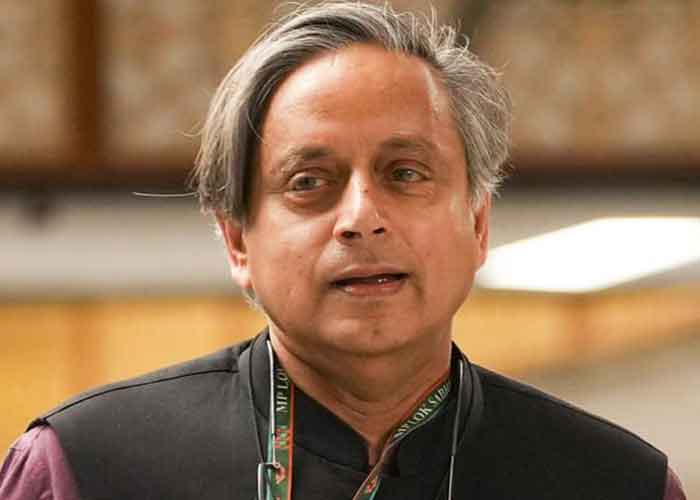
Congress leader and Thiruvananthapuram MP Shashi Tharoor has described as “disturbing” findings of a World Bank study indicating that migrants returning to Kerala from Saudi Arabia tend to hold more conservative attitudes towards gender-based violence and greater tolerance of physical violence against women.
Responding to a social media post highlighting the study, Tharoor said the findings raised concerns about the influence of social attitudes acquired abroad. He said Kerala had traditionally been associated with a liberal and progressive practice of Islam, alongside its broader record of communal coexistence and social harmony.
Tharoor also pointed to Kerala’s emphasis on educating Muslim girls and women alongside boys and men, saying that the reported import of conservative or reactionary attitudes from abroad was at odds with the state’s established social ethos.
“These are disturbing reports,” Tharoor said, calling for serious introspection and discussion within the Muslim community over the findings.
The World Bank study, titled Beyond Money: Does Migration Experience Transfer Gender Norms? Empirical Evidence from Kerala, India, examined whether migration to Saudi Arabia and other Gulf countries was associated with changes in gender norms among return migrants. The research found that, compared with people without migration experience, returnees from Saudi Arabia expressed substantially more conservative attitudes towards gender-based violence, with the difference measured at three standard deviations.
The study also found more conservative views among Saudi returnees concerning physical violence against women. In contrast, migrants returning from the broader Gulf region did not show the same pattern and, in some measures, displayed less conservative attitudes than non-migrants.
The researchers cautioned that the findings demonstrate an association and do not establish that migration to Saudi Arabia itself causes conservative attitudes. The study examines the social effects of migration beyond the economic benefits of Gulf remittances and highlights the potential role of “social remittances” in transferring norms between countries.
Tharoor’s comments have brought renewed attention in Kerala to the wider social and cultural impact of Gulf migration and the possibility that attitudes acquired abroad may influence communities after migrants return.
 FOLLOW NOW