
New Delhi, August 24, 2026 (Yes Punjab News)
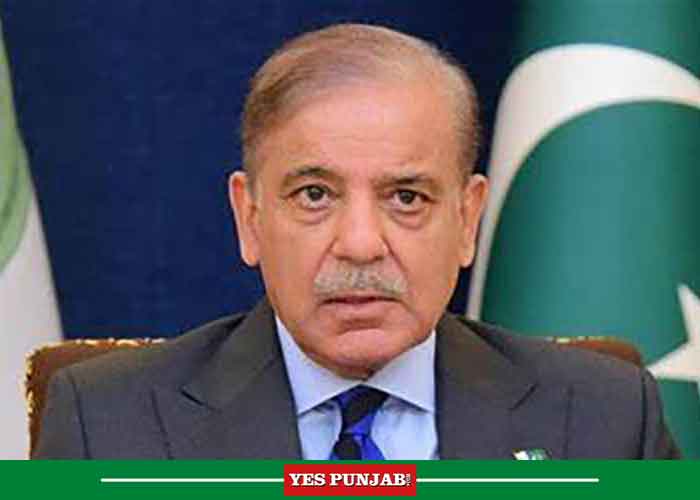
Pakistan Prime Minister Shehbaz Sharif’s recent offer of a “grand dialogue” with Baloch insurgents comes amid a sharp escalation in violence and growing questions over the effectiveness of Islamabad’s long-standing reliance on military force to contain unrest in Balochistan.
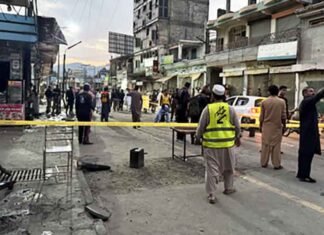
Balochistan and Khyber Pakhtunkhwa together accounted for 96 per cent of violence-related fatalities in Pakistan during the second quarter of 2026, according to Pakistani media reports. Balochistan recorded 265 deaths during the period, with violence intensifying further this year.
Islamabad has for decades deployed the military and paramilitary forces against separatist movements in Balochistan. However, the surge in violence — including a monthly death toll reported to be three times that of the preceding month — has underscored the limits of a predominantly security-driven response.
Sharif’s call for insurgents to return to the “mainstream” therefore represents a significant shift in tone. It also comes against a backdrop of longstanding political, economic and cultural grievances among sections of the Baloch population.
A central issue is control over the province’s considerable natural resources. Balochistan has deposits of natural gas, coal, copper and gold, yet remains one of Pakistan’s poorest regions. Sharif’s recent statement that “mineral wealth belongs to the Baloch people” is significant, but decades of disputes over resource ownership and distribution have contributed to deep mistrust.
Plans involving foreign investment in mining, particularly by the United States and China, have also generated apprehension among sections of the local population. The China-Pakistan Economic Corridor (CPEC), a roughly 3,000-km network of infrastructure and energy projects connecting Gwadar Port with China’s Xinjiang region, has similarly faced criticism from Baloch groups, who argue that it has increased militarisation while delivering limited benefits to local communities.
Political marginalisation remains another major grievance. Local leaders have repeatedly criticised what they describe as Islamabad-driven policymaking without adequate consultation, reinforcing perceptions of excessive central control.
Pakistan Interior Minister Mohsin Naqvi’s July declaration that the “state’s writ will be enforced at all costs” further reflected the government’s emphasis on coercive measures. Critics argue that such an approach risks deepening alienation and perpetuating cycles of insurgency and retaliation.
The latest dialogue offer could therefore provide Islamabad with an opportunity to shift from treating Balochistan primarily as a security challenge to addressing questions of political representation, resource-sharing, identity and civil rights.
Whether the government can convert the offer into meaningful negotiations and concrete reforms will determine whether the latest initiative can break the cycle of violence or becomes another short-lived political gesture.
 FOLLOW NOW