
Chandigarh, August 5, 2026 (Yes Punjab News)
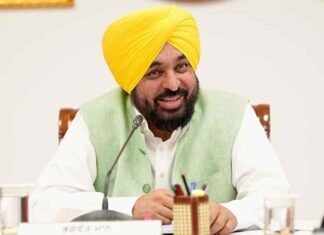
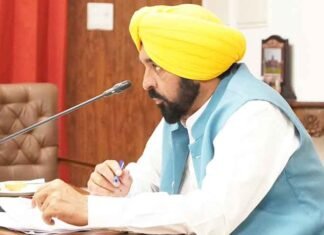
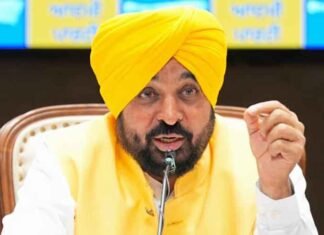
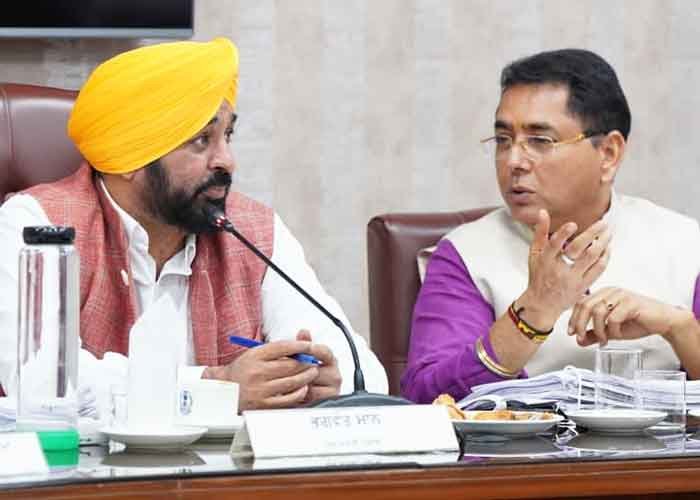
The Punjab Cabinet, chaired by Chief Minister Bhagwant Singh Mann, on Wednesday approved a series of major decisions aimed at regulating private education fees, strengthening governance, improving public service delivery and promoting development across the state.
The Cabinet approved the Punjab Regulation of Fee of Un-aided Educational Institutions (Amendment) Bill, 2026, to prevent unnecessary and unreasonable fee hikes by private unaided educational institutions.
According to the Chief Minister’s Office, the amendment has been proposed after concerns that some private unaided institutions were arbitrarily increasing annual fees, placing an additional financial burden on students and parents. The amendment seeks to strengthen provisions under the Punjab Regulation of Fee of Unaided Educational Institutions Act, 2016, and related amendments and rules to check unjustified fee increases.
Outsourced Personnel Transition Bill Approved
The Cabinet also approved the Punjab State Outsourced Personnel Transition to Contractual Engagement Bill, 2026, providing a framework for transitioning eligible outsourced employees into direct contractual engagement.
Under the proposed legislation, outsourced personnel completing five years of continuous service, or three years in specified hazardous categories, will become eligible for contractual engagement. The remuneration of such employees will be fixed by the Finance Department and will not be lower than the minimum wages prescribed under the Code on Wages, 2019, or applicable wage laws.
The Bill will replace the Punjab Ad Hoc, Contractual, Daily Wage, Temporary, Work Charged and Outsourced Employees’ Welfare Act, 2016, after its enactment.
Extension for Veterinary Pharmacists and Safai Sewaks
The Cabinet approved a one-year extension for the services of 449 Veterinary Pharmacists and 451 Safai Sewaks working in 582 veterinary hospitals across Punjab.
The extension will remain effective from April 1, 2026, to March 31, 2027, to ensure uninterrupted veterinary healthcare services for livestock owners.
New Block Tarsika Created in Amritsar
The Cabinet approved the creation of Block Tarsika in Amritsar district by carving out 64 Gram Panchayats from Block Jandiala Guru.
The newly created block will comprise 64 out of the 121 village panchayats currently under Jandiala Guru Block and is expected to accelerate development activities in these villages.
Three Digital Open Universities Approved
To promote quality digital education in Punjab, the Cabinet approved the establishment of three Digital Open Universities under the Punjab Private Digital Open Universities Policy, 2026.
The approved institutions include Cloud University at Bohan in Hoshiarpur, MS Digital University at Fatehpur and Physicswallah Digital University at Nandpur Kesho in Patiala district.
The government said these institutions would attract reputed educational organisations and expand access to quality education in the state.
Recruitment of 19 Draftsmen in PWD Approved
The Cabinet gave approval for filling 19 posts of Draftsman (Civil) through direct recruitment in the Public Works Department.
The move aims to address vacancies in the technical cadre and improve project monitoring, technical scrutiny, quality assurance and execution of infrastructure projects.
Punjab Protection of Trees Bill, 2026 Approved
The Cabinet also approved the Punjab Protection of Trees Bill, 2026, aimed at conserving green cover, maintaining ecological balance and creating a mechanism to compensate for environmental losses caused by tree felling.
Punjab currently has around 5.92 per cent forest and tree cover, while the state government has set a target of increasing it to 7.5 per cent by 2030.
GST Amendment Bill Approved
The Cabinet approved amendments to the Punjab Goods and Services Tax (Amendment) Bill, 2026, aimed at improving voluntary compliance, reducing litigation and simplifying GST procedures.
The amendments will allow exclusion of post-sale discounts from the value of supply through credit notes without requiring prior agreements. They will also permit credit notes for post-sale discounts issued for commercial reasons, extend the benefit of 90 per cent provisional refund of Input Tax Credit in inverted duty structure cases, and allow refund of IGST paid on exports even where the amount is below ₹1,000.
Panchayati Raj Act Amendment Cleared
The Cabinet approved amendments to the Punjab Panchayati Raj Act, 1994, for creating a new Panchayat Development Secretary cadre by merging the cadres of Panchayat Secretaries and Gram Sewaks.
Existing Panchayat Secretaries, after submitting a self-declaration, will be placed at the end of the seniority list of Gram Sewaks (Village Development Officers). Those who do not submit the declaration within one month of notification will continue in the Panchayat Secretary cadre, which has been declared a dying cadre.
The Punjab government said the decisions taken by the Cabinet are aimed at improving administrative efficiency, strengthening public institutions and ensuring better services for citizens.
 FOLLOW NOW