

London, July 28, 2026 (Yes Punjab News)
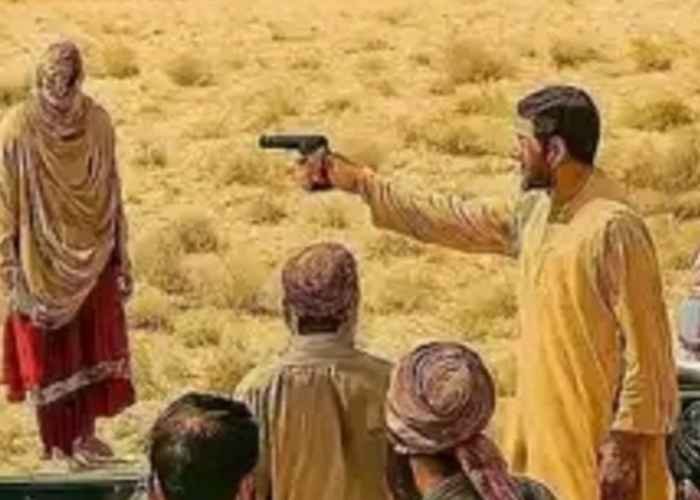
The killing of a 20-year-old woman in Pakistan’s Sindh province has once again drawn attention to the persistent menace of so-called “honour killings”, with rights groups warning that deeply rooted patriarchal attitudes continue to fuel violence against women across the country.
According to a report published by The Guardian, citing the Human Rights Commission of Pakistan (HRCP) and women’s rights organisation Sindh Suhai Sath, at least 112 women were killed in the name of “honour” in Sindh between January 1 and June 20 this year.
Police figures quoted by the HRCP recorded at least 470 honour killings across Pakistan in 2025, including 126 in Sindh. Rights organisations, however, believe the actual number may be significantly higher, particularly in remote regions where such deaths are often unreported or recorded as suicides or accidents.
The report centres on the killing of Khalida Chandio, who was allegedly shot dead after being labelled kari, a term used in Sindh to accuse women of illicit relationships and frequently invoked to justify honour-based violence.
Police investigations have alleged that Khalida was killed by her grandfather and maternal uncle on the instructions of a tribal elder. Three suspects have been arrested, while another remains absconding. The case is expected to proceed to trial.
Her parents described the incident as devastating, saying she was taken from their home during the night and killed a short distance away. Her father maintained that, even if allegations had existed, she should have been handed over to the authorities rather than killed.
The report also quoted senior police officer Asad Raza, who said honour killings in Pakistan are rooted in entrenched patriarchal power structures where women are often treated as the property of male family members. He noted that allegations of kari are frequently used to settle disputes over land, inheritance and tribal rivalries rather than based on evidence.
Raza further observed that the same patriarchal mindset often influences criminal investigations, as community elders, complainants, accused persons and investigators are predominantly men shaped by the same social attitudes.
Human rights groups have repeatedly called for stronger enforcement of laws and greater protection for women facing threats of honour-based violence, stressing that legal reforms alone are insufficient without broader social change.
 FOLLOW NOW