


New Delhi, July 28, 2026 (Yes Punjab News)
Pakistan’s handling of Balochistan has drawn comparisons with the political and economic grievances that preceded the creation of Bangladesh in 1971, with critics pointing to a recurring pattern of resource-rich peripheral regions alleging political exclusion and unequal distribution of benefits.
Historical accounts of the 1971 crisis in erstwhile East Pakistan highlighted widespread resentment over economic disparities, limited political representation and the concentration of power with Pakistan’s western leadership.
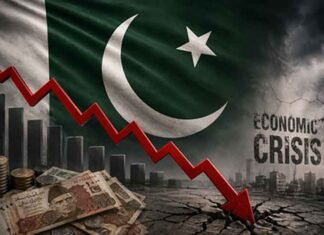
Similar concerns have been raised in Balochistan, Pakistan’s largest province by area and one of its richest regions in terms of natural resources, including minerals, gas reserves and strategic coastline. Despite its resource wealth, the province remains among Pakistan’s poorest regions.
Critics have alleged that major projects involving mineral extraction, energy resources and the China-Pakistan Economic Corridor (CPEC) have often moved forward without adequate participation from local communities, with economic benefits perceived to flow largely to federal authorities, contractors and external investors.
Balochistan’s Chagai district is home to major mineral deposits, including the Saindak and Reko Diq copper and gold projects. The region has frequently been at the centre of debates over resource ownership and local development.
Reports and rights assessments have also highlighted concerns over arrests, enforced disappearances and restrictions on political activity in the province, contributing to perceptions among sections of the Baloch population that they are being denied equal political and economic rights.
The comparison with East Pakistan has been drawn by observers who point to similarities in allegations of economic exploitation and political marginalisation. Before 1971, Bengali leaders had accused Pakistan’s central leadership of denying meaningful power-sharing despite East Pakistan’s electoral mandate.
The crisis eventually escalated after the 1970 election results were not accepted, leading to a military crackdown, a humanitarian crisis and the emergence of Bangladesh as an independent nation.
However, supporters of development projects in Balochistan, including the Reko Diq project, have highlighted local employment and community initiatives. The project operator has stated that a significant share of its workforce comes from Balochistan and that investments have been made in education, water supply and community development.
The continuing debate over Balochistan reflects broader questions surrounding governance, resource distribution and political representation in Pakistan.
 FOLLOW NOW