
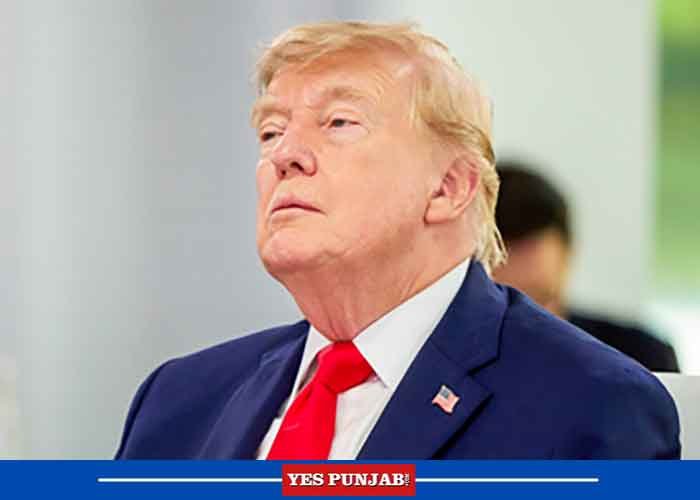
US President Donald Trump has announced that the United States has reached an oil agreement with Venezuela that he described as the “biggest oil deal in world history”, claiming Washington has secured majority control of more than 65 billion barrels of Venezuela’s proven oil reserves.
In a post on Truth Social, Trump said the arrangement was reached through a partnership with private businesses and would come at “no cost to the American Taxpayer”.
Trump claimed the agreement would more than double US oil reserves, increase domestic supply and eventually bring down gasoline prices for American consumers. The full financial and legal structure of the agreement has not been publicly detailed.
Venezuela’s acting President Delcy Rodriguez separately announced what she called a “historic agreement” with Washington to attract investment for the recovery and reconstruction of the country’s hydrocarbons industry.
According to the Venezuelan government, the agreement covers the development of 17 strategic oil fields with a proven potential of 65 billion barrels. It envisages more than $100 billion in investment and more than $209 billion in taxes for the Venezuelan state.
US Secretary of State Marco Rubio said the agreement was expected to bring nearly $100 billion in private investment into Venezuela.
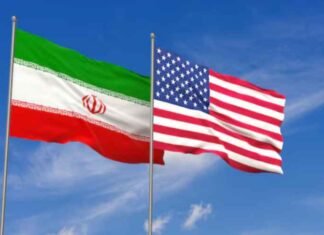
The announcement comes as the US faces pressure over elevated fuel prices amid the continuing conflict with Iran. Trump has been seeking additional sources of oil supply, while Venezuela has sought to revive an industry weakened by years of underinvestment and deteriorating infrastructure.
Venezuela holds the world’s largest proven crude oil reserves, but its ability to produce and export oil has been constrained by ageing infrastructure, limited investment and years of economic and political turmoil.
The agreement is expected to involve US and private-sector participation in developing the Venezuelan fields, although important details about investment, ownership, financing and implementation remain unclear. Analysts have also raised questions over the legal and infrastructure challenges involved in rapidly increasing Venezuelan oil production.
The latest development follows Venezuela’s move earlier this year to open its hydrocarbons sector to greater private participation.
 FOLLOW NOW