

New Delhi, July 31, 2026 (Yes Punjab News)
The Supreme Court has strongly criticised the Rajasthan government for reviewing its earlier decision refusing sanction to prosecute a government doctor in a corruption case without any fresh evidence, observing that the move reflected “blatant” political interference and violated settled legal principles.
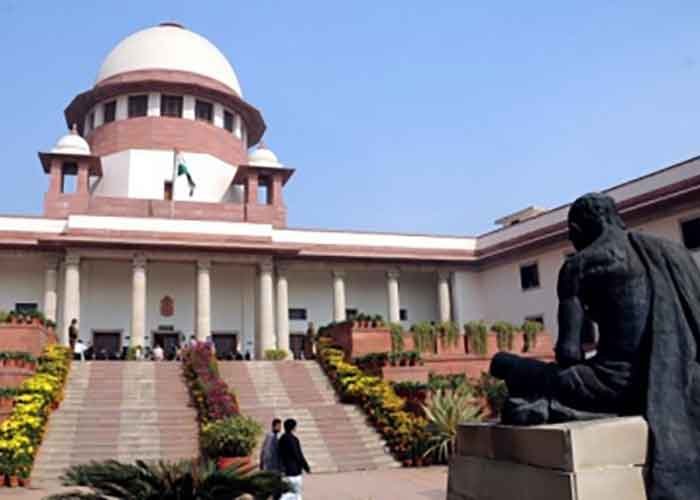
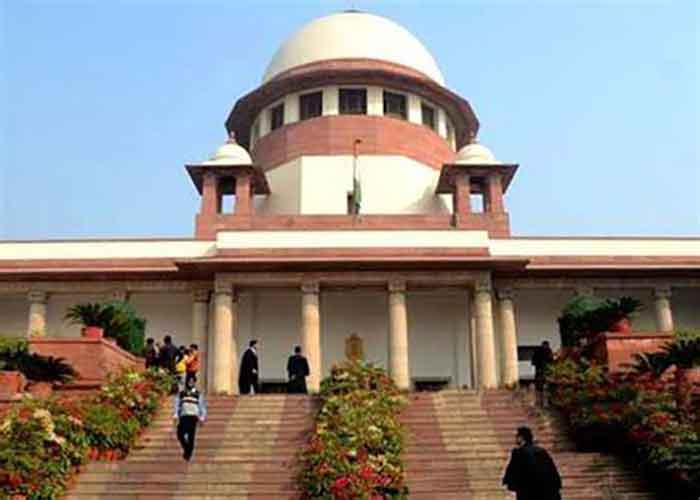
Dismissing a Special Leave Petition (SLP) filed by the state government, a Bench of Justices J.B. Pardiwala and K. Vinod Chandran upheld the Rajasthan High Court’s order quashing the prosecution sanction granted against the doctor under the Prevention of Corruption Act.
In a strongly worded judgment, the Bench remarked that the decision-making process under Section 19 of the Prevention of Corruption Act “cannot resemble the dilemma in Hamlet’s Soliloquy: to be or not to be,” adding that the record in the case revealed clear political influence in the review process.
The case stemmed from allegations that the doctor demanded and accepted a bribe of Rs 2,000 from a patient’s relatives for performing knee surgery in 2017. Although the Anti-Corruption Bureau recovered the money during a trap operation, senior officials in the Rajasthan government’s Department of Personnel initially concluded that the available evidence was insufficient to justify prosecution.
The Supreme Court noted that the Joint Secretary and the Principal Secretary had found no clear proof of demand for a bribe and questioned the recovery of cash from a locked drawer, especially since the surgery had already been completed a day earlier. The officials also cited the absence of any complaint from the patient or family members, inconsistencies regarding the complainant’s relationship with the patient, and reports indicating political involvement in publicising the trap.
Despite these findings, the matter was sent back for reconsideration by the Joint Secretary in the Chief Minister’s Office, who recommended prosecution based on the same material. The apex court held that there was “absolutely no occasion” to review the earlier decision in the absence of fresh evidence.
Reiterating established legal principles, the court said a refusal to grant prosecution sanction cannot be revisited merely because another authority takes a different view on the same record. It clarified that reconsideration is permissible only when new material is brought on record and independently assessed by the sanctioning authority.
The Bench also observed that when two reasonable views are possible while deciding whether to prosecute a public servant, the view favouring the officer should ordinarily prevail. It described sanction as a safeguard against frivolous prosecution, stating that it protects honest public servants while not serving as a shield for the guilty.
The Supreme Court further expressed disapproval over the Rajasthan government’s decision to challenge the High Court’s order, observing that the doctor had been subjected to unnecessary litigation due to a review prompted by the Chief Minister’s Office. It said the state should have accepted the High Court’s decision instead of pursuing the matter further.
Dismissing the appeal, the apex court imposed costs of Rs 50,000 each for the proceedings before the High Court and the Supreme Court, directing the Rajasthan government to pay the amount within two months.
 FOLLOW NOW