
Shimla, September 1, 2026 (Yes Punjab News)
The Himachal Pradesh government on Tuesday introduced a Bill proposing to disqualify land encroachers and eligible family members from contesting Panchayati Raj elections for six years, while also closing a loophole that previously allowed disqualified candidates to field their daughters-in-law in their place.
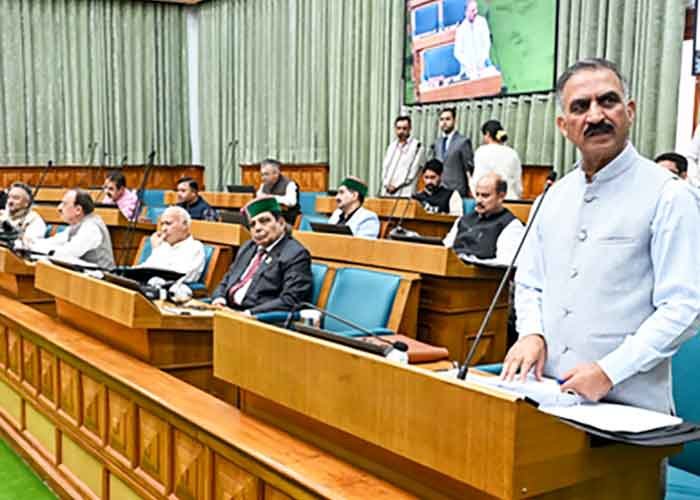
Rural Development and Panchayati Raj Minister Anirudh Singh introduced the Himachal Pradesh Panchayati Raj (Second Amendment) Bill, 2026, during the ongoing Monsoon Session of the state Assembly. The Bill seeks to replace an ordinance issued by the government on May 6.
Under the proposed amendment, a candidate can be disqualified if they or a defined family member, including a daughter-in-law, is found to have illegally occupied government or shamilat (common village) land. The disqualification will remain in force for six years from the date the encroacher relinquishes possession or is evicted, while the candidature will also be cancelled.
The government said the amendment addresses a loophole in the 1994 Panchayati Raj Act. The earlier definition of an encroacher’s family covered grandparents, parents, spouse, son and unmarried daughter, but did not specifically include a daughter-in-law.
The government maintained that the omission had enabled some disqualified aspirants to field their daughters-in-law for positions such as Panchayat Pradhan, Block Development Committee member and Zila Parishad member.
The Bill also retains other grounds for disqualification under Section 122, including pending court proceedings under the Narcotic Drugs and Psychotropic Substances (NDPS) Act for drug trafficking, outstanding Panchayat-related dues, employment with a Panchayat or government undertaking, false declarations in nomination papers and convictions for election offences, corrupt practices or offences involving moral turpitude carrying a sentence of up to six years.
If a candidate’s eligibility is challenged, the person concerned will be given an opportunity to present their case. An officer authorised by the state government will subsequently decide the matter in consultation with the State Election Commission.
 FOLLOW NOW