

New Delhi, September 1, 2026 (Yes Punjab News)
Pakistan’s Inter-Services Intelligence (ISI) is seeking to expand its alleged honey-trapping operations by developing India-based networks in smaller towns and villages, while the use of artificial intelligence-generated images and videos is creating a new challenge for Indian security agencies, according to intelligence officials.
An Intelligence Bureau official said the shift would make detection and investigation more difficult because the networks would no longer depend entirely on handlers operating from Pakistan.
For years, officials said, the honey-trapping modules were operated from Faridkot in Pakistan. Between 2015 and 2019, the ISI had allegedly earmarked around Rs 3,000 crore for such operations, indicating the scale of the network, the official claimed.
According to officials, the ISI now wants these operations to be increasingly run from within India, in line with an alleged broader strategy of keeping activities targeting India locally based so that links to Pakistan are harder to establish.
The intelligence inputs suggest that smaller towns and villages are being preferred over major urban centres, where recruitment can potentially be carried out with less scrutiny. Officials said earlier recruits in Madhya Pradesh, Gujarat and Uttar Pradesh reported to handlers in Faridkot, while efforts are now reportedly being extended to towns in southern India.
Officials said the alleged operations have involved sexualised material, including pornography and nudity, to manipulate targets and obtain sensitive information. Women have also allegedly been recruited to establish contact with potential targets, particularly personnel connected with the defence forces.
The emergence of AI-generated content has added another layer to the threat. According to officials, fabricated images and videos can now be used to create apparently genuine online identities, making it harder for targets to determine whether they are interacting with a real person.
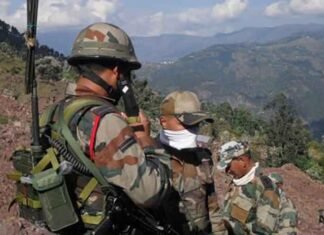
Security agencies are also examining intelligence inputs suggesting that newly recruited Agniveers could be among the potential targets. Officials said individuals with limited awareness of sophisticated digital manipulation techniques could be particularly vulnerable to fabricated images and videos.
The primary objective of the alleged operations is to obtain sensitive information concerning India’s armed forces, officials said. Such information could potentially be exploited for strategic advantage during conflict or used to embarrass the military.
Officials further claimed that honey-trapping attempts had increased significantly following Operation Sindoor, which India conducted after the Pahalgam terror attack. They said Pakistan-linked networks were seeking to target and embarrass Indian security personnel amid heightened tensions.
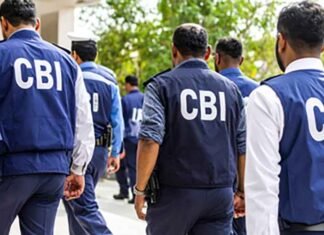
The intelligence agencies are now dealing with the challenge of identifying locally operated networks while also determining whether digital material used in suspected honey-trapping cases involves genuine individuals or AI-generated identities.
 FOLLOW NOW