

New York, August 4, 2026 (Yes Punjab News)
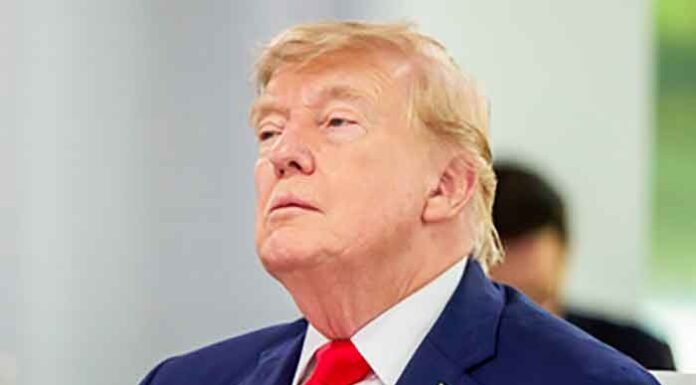
Fresh uncertainty surrounded the future of the strategically vital Strait of Hormuz on Monday after US President Donald Trump claimed discussions with Iran could lead to the waterway reopening “literally by tomorrow”, while Tehran categorically denied that any negotiations with Washington were underway.
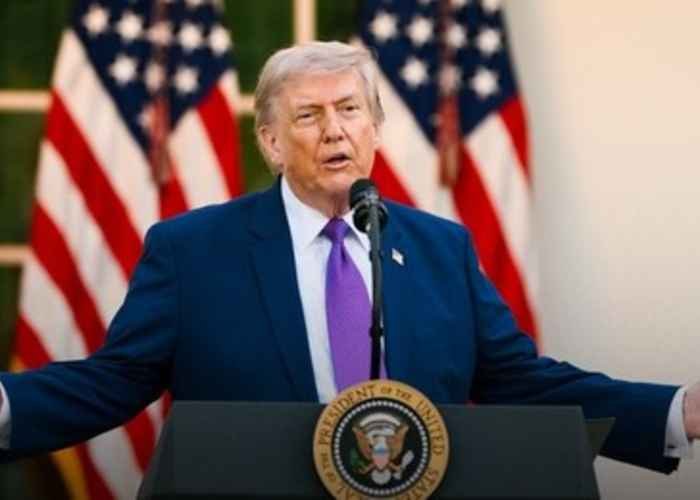
Speaking at the Oval Office, Trump said the US was engaged in discussions with Iran over reopening the Strait of Hormuz, through which nearly 20 per cent of the world’s fossil fuel supplies pass. He also warned that Iran was being given a “last chance before decapitation”, adding that the issue would be resolved “one way or the other” and insisting the process was “not very complex.”
Hours earlier, Iranian Foreign Ministry spokesperson Esmaeil Baqaei rejected Trump’s assertion, stating that Iran was not holding any negotiations with the United States. He said all Iranian negotiators, except Foreign Minister Abbas Araghchi, who is on a pilgrimage to Iraq, were currently in Iran.
Responding on his Truth Social platform, Trump accused the Iranian leadership of being “unbelievably duplicitous”, claiming Tehran privately sought talks while publicly denying them.
Baqaei, however, confirmed that Iran was holding consultations with neighbouring Oman regarding what Iranian news agency Tasnim described as a temporary arrangement to ensure maritime safety in the Strait of Hormuz. He clarified that no other country was involved in the Muscat-Tehran discussions.
Trump also revealed that he had postponed a large-scale military strike planned for Sunday after appeals from Saudi Arabia, the United Arab Emirates, Qatar and other leaders urging restraint.
According to the Saudi Press Agency, Saudi Crown Prince Mohammed bin Salman spoke with Trump on Sunday and stressed the need to prioritise dialogue, reduce regional tensions and work towards a truce that could pave the way for diplomatic solutions.
The US President claimed Iran became alarmed after details of the proposed military operation were leaked, describing the planned attack as more severe than any since the Second World War. He said Tehran subsequently sought discussions focused on the Strait of Hormuz.
Trump noted that he and Iranian President Masoud Pezeshkian had signed a Memorandum of Understanding on June 17 aimed at reopening the Strait following disruptions caused by earlier hostilities. However, the arrangement collapsed within weeks after Iran attacked vessels in the waterway and the US imposed a blockade on Iranian ports.
The renewed tensions follow Israeli Prime Minister Benjamin Netanyahu’s recent visit to Washington. Netanyahu, whose government initiated the February 28 strikes on Iran with US support, met Trump last week. Reports suggested Washington was preparing another military operation, potentially in coordination with Israel, before regional intervention helped avert immediate escalation.
The Gulf states remain keen to prevent a wider conflict, having already faced the consequences of regional hostilities. Last month, an Iranian attack on a US military base in Jordan killed three American soldiers, including one of Indian origin. Iran also targeted Bahrain and Kuwait during the renewed confrontation.
The conflict has further affected maritime security after Iran-backed Houthi rebels in Yemen launched attacks near the Bab al-Mandab Strait, disrupting shipping through the Red Sea, an important alternative route for regional oil exports.
 FOLLOW NOW