

Kolkata, August 4, 2026 (Yes Punjab News)
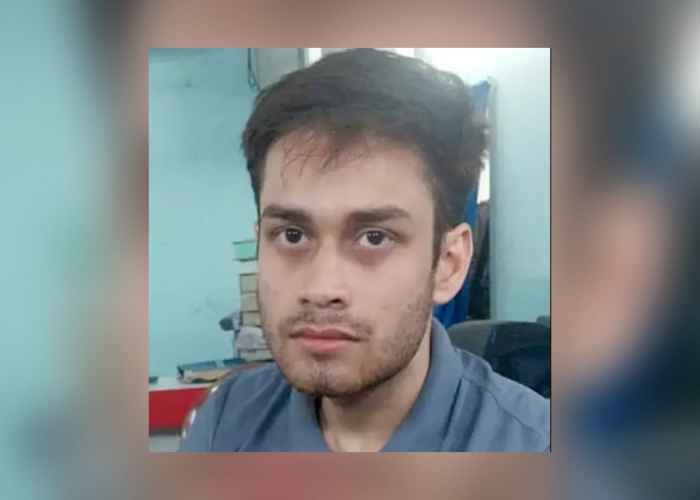
The investigation into the alleged activities of arrested Jaish-e-Mohammed (JeM) suspect Hamim Mondal has uncovered what investigators describe as a network aimed at recruiting aspiring models and social media influencers for honey-trap operations targeting influential individuals in West Bengal.
Mondal, who was arrested last week from Burdwan in West Burdwan district, allegedly identified young models and women with a strong social media presence as potential recruits. During questioning, investigators learned that one of his alleged associates, Arpita Sarkar, arrested in Sahibganj, Jharkhand, was first contacted because of her frequent social media reel postings.
According to investigators, Mondal claimed that he had been assigned the recruitment task by the Pakistan-based Shahzad Bhatti Network (SBN), which authorities describe as a terrorist-criminal organisation.
Sources associated with the investigation said Mondal’s role was allegedly confined to establishing initial contact between prospective recruits and SBN handlers based in Pakistan. Once the connection was made, the handlers reportedly communicated directly with the targets, bypassing Mondal. Investigators believe this pattern was followed in Sarkar’s case.
The West Bengal Police Special Task Force (STF) is now attempting to identify other women who may have been drawn into the alleged network besides Sarkar. The STF has also arrested another alleged associate, Aditya Singh, as part of the investigation.
Officials are simultaneously trying to identify individuals who may have fallen victim to alleged honey-trap operations but have not approached authorities due to concerns about social stigma.
The National Investigation Agency (NIA) questioned Mondal and Sarkar on Monday and is expected to interrogate Aditya Singh as well. Investigators may also conduct a joint interrogation of all three suspects to verify their statements and eliminate contradictions.
According to the investigation so far, STF officials have learned that the alleged network had targeted family members of at least six serving members of the West Bengal Cabinet through Sarkar. Authorities also suspect that several other influential individuals linked to the state’s administrative machinery were among the intended targets. The investigation is continuing.
 FOLLOW NOW