

New York, August 4, 2026 (Yes Punjab News)
A coalition of 25 US states has filed a lawsuit against the Trump administration, alleging that President Donald Trump exceeded his legal authority by imposing broad new tariffs on imports from 60 trading partners under Section 301 of the Trade Act of 1974.
The complaint, filed in the US Court of International Trade, challenges recently introduced tariffs of 10 per cent or 12.5 per cent on the majority of goods imported from the affected economies, which together account for 99.4 per cent of US imports.
The states have asked the court to declare the tariffs unlawful, block their implementation and order refunds for duties already collected.
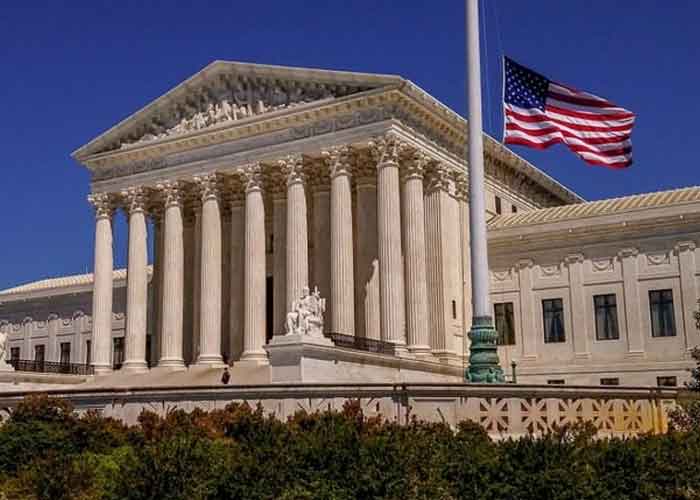
According to the lawsuit, the administration sought to preserve Trump’s sweeping tariff policy after federal courts rejected two earlier versions introduced under different legal provisions. The states contend that the government relied on Section 301 and forced-labour concerns as a pretext to reinstate substantially similar global tariffs that the US Supreme Court had invalidated in February.
New York Governor Kathy Hochul criticised the tariffs, describing them as an unlawful tax on working families that has increased the cost of groceries, household essentials, construction materials and other everyday goods.
Oregon Attorney General Dan Rayfield said the lawsuit marked the third legal challenge by the coalition against what he called illegal tariffs, arguing that the measures have raised costs for Oregon families and small businesses.
New York Attorney General Letitia James also maintained that the administration was attempting to impose new tariffs despite the Supreme Court’s earlier ruling against its broader tariff policy.
The White House rejected the allegations, asserting that tariffs imposed under Section 301 have been a legally sustainable trade enforcement tool since President Trump’s first term and remain valid under the current administration.
The coalition includes New York, Arizona, California, Colorado, Connecticut, Delaware, Hawaii, Illinois, Kentucky, Massachusetts, Maryland, Maine, Michigan, Minnesota, Nevada, New Jersey, New Mexico, North Carolina, Oregon, Pennsylvania, Rhode Island, Virginia, Vermont, Washington and Wisconsin.
The case is at least the second major legal challenge to the latest tariff regime, following an earlier lawsuit filed by a group of small businesses making similar constitutional and statutory arguments.
 FOLLOW NOW