

Chandigarh, August 3, 2026 (Yes Punjab News)
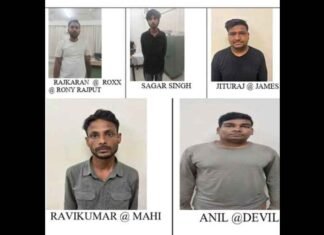
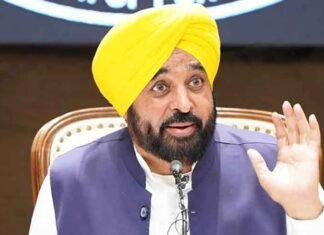
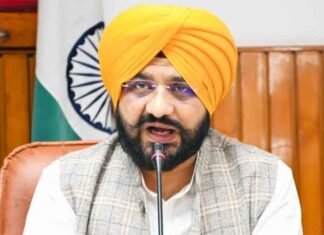
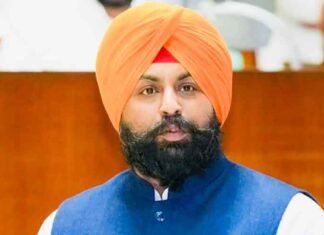
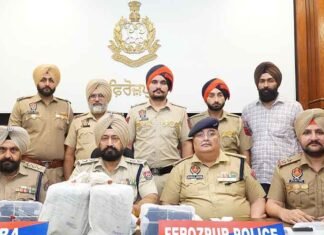
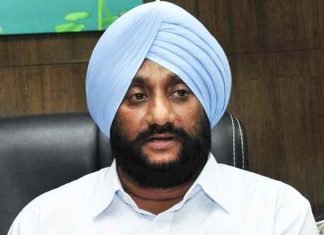
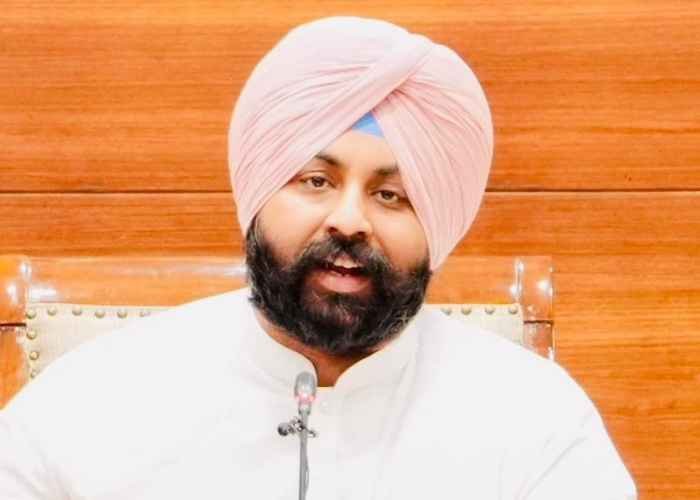
Punjab Education Minister Harjot Singh Bains on Monday informed the Punjab Assembly that a Haryana-based syndicate employed sophisticated electronic devices, including modified mobile phones and concealed wireless earpieces, to facilitate cheating during a pharmacy examination conducted by Baba Farid University of Health Sciences.
Participating in a discussion on a censure motion concerning repeated examination paper leaks across the country and alleged atrocities against protesting students, Bains maintained that the incident in Punjab was not a paper leak but a technology-driven cheating operation that had been successfully uncovered by the Punjab Police.
He alleged that the syndicate had been operating for years and accused the Haryana Government of failing to curb its activities. Advising Haryana Chief Minister Nayab Singh Saini to address issues within his own state, Bains said Punjab should not be targeted for political reasons.
The minister also highlighted Punjab’s historical contribution to education and knowledge, referring to the state’s legacy from the Rigveda and the ancient seat of learning at Takshila to the teachings of Sri Guru Nanak Dev and Sri Guru Arjan Dev. He also cited the contributions of Shaheed Bhagat Singh, Nobel laureate Dr Har Gobind Khorana, fibre optics pioneer Dr Narinder Singh Kapany and semiconductor scientist Dr Gurtej Singh Sandhu, asserting that Punjab’s educational and intellectual heritage would not be allowed to be tarnished.
Presenting the achievements of the state government’s Sikhya Kranti initiative, Bains said Punjab’s government schools had recorded exceptional academic progress. He informed the House that 882 students from government schools qualified NEET-UG 2026, more than doubling the 437 qualifiers recorded in 2024.
The minister further stated that Punjab had climbed from 27th position in 2020 to become the top-ranked state in the NITI Aayog School Education Quality Report 2026, surpassing Kerala.
He also announced that Punjab has become the first state in the country to introduce Artificial Intelligence as a mainstream subject from Classes 1 to 12. The initiative will cover 25,172 schools and nearly 31.5 lakh students, with the curriculum developed after studying educational models from Singapore, Finland, the UAE and the United States.
 FOLLOW NOW