

New Delhi, July 30, 2026 (Yes Punjab News)
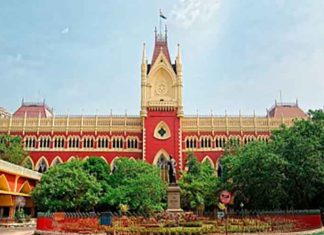
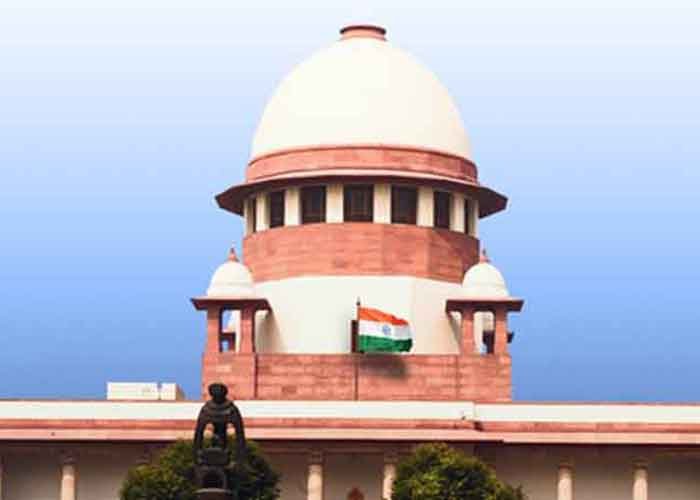
The Supreme Court on Thursday sought an explanation from the Bihar government on the constitutional basis for allowing Panchayati Raj Minister Deepak Prakash to continue in office despite not becoming a member of either House of the state legislature within the prescribed six-month period.
The matter was mentioned before a Bench headed by Chief Justice of India Surya Kant, where the petitioner’s counsel pointed out that more than six months had passed since Prakash assumed ministerial office without being elected to the Bihar Assembly or the Legislative Council.
“My Lord, it is now over six months and he continues as a minister,” the counsel submitted while seeking an early hearing.
The counsel representing the Bihar government informed the Bench that the matter was already scheduled for hearing on August 27 and left the decision on advancing the date to the court.
CJI Kant observed that the case involved a significant question of constitutional law and said the state government would have to justify the continuation of a minister who is not a member of either House of the legislature beyond the period allowed under the Constitution.
The apex court indicated that it would hear the matter on Tuesday.
The petition challenges the validity of Deepak Prakash’s continuation as Bihar Panchayati Raj Minister and raises issues related to Article 164(4) of the Constitution, which allows a person who is not a legislator to serve as a minister for a maximum period of six months. Within this period, the person must secure membership of either the Assembly or the Legislative Council.
The plea was filed by social activist and whistleblower Rakesh Kumar Singh, who challenged Prakash’s reappointment after the formation of the new Bihar government.
According to the petition, Prakash was inducted into the Bihar Cabinet on November 20, 2025, despite not being a member of either House. After the resignation of then Chief Minister Nitish Kumar on April 15, the Council of Ministers ceased to exist. Prakash was later reappointed as Panchayati Raj Minister on May 7 in the government led by Chief Minister Samrat Choudhary.
The petitioner has argued that the reappointment amounted to an attempt to bypass the constitutional restriction under Article 164(4). The plea relies on the Supreme Court’s 2001 judgment in S.R. Chaudhuri versus State of Punjab, which held that the six-month provision cannot be repeatedly used through resignations, changes in government or reappointments.
The PIL seeks a declaration that Prakash’s reappointment is unconstitutional and also requests a writ of quo warranto questioning his authority to continue as minister.
 FOLLOW NOW