

New Delhi, July 27, 2026 (Yes Punjab News)
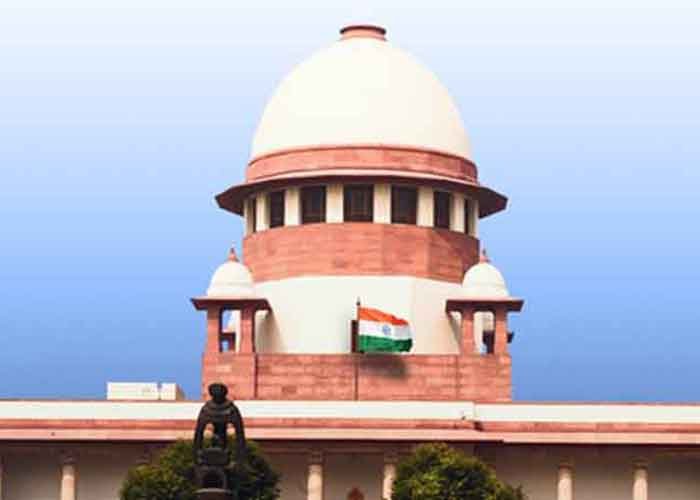
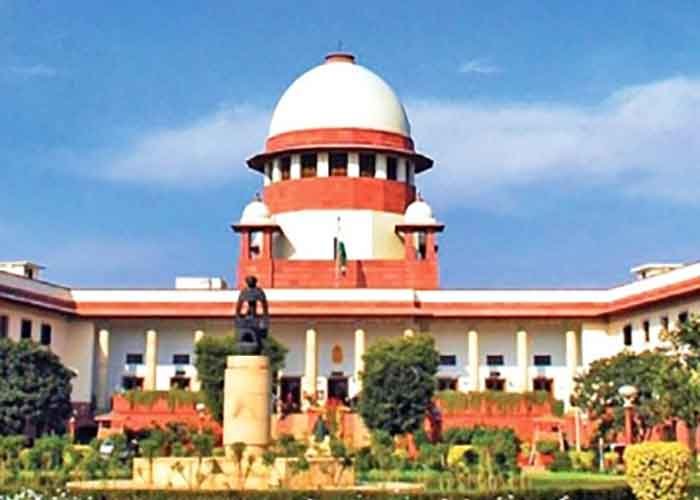
The Supreme Court has dismissed a review petition challenging its earlier ruling that a person who has converted to Christianity and continues to profess and practise the faith cannot claim Scheduled Caste (SC) status or seek protection under the Scheduled Castes and Scheduled Tribes (Prevention of Atrocities) Act.
A Bench comprising Justice Prashant Kumar Mishra and Justice Manmohan held that there was no apparent error in its March 24, 2026 judgment warranting a review.
“We have gone through the Review Petition and perused the judgment dated 24.03.2026 which has been sought to be reviewed. There is no error apparent on the record. The Review Petition is, accordingly, dismissed,” the Bench said in its order dated July 15.
The court also rejected the petitioner’s request for an oral hearing in open court, while waiving procedural defects pointed out by the Registry in the interest of justice. It further ordered that all pending applications, if any, would stand disposed of.
In its March 24 judgment, the apex court had upheld an Andhra Pradesh High Court order quashing criminal proceedings initiated under the SC/ST (Prevention of Atrocities) Act. The complainant in the case had converted to Christianity and had been serving as a pastor for more than a decade.
The Supreme Court had ruled that under the Constitution (Scheduled Castes) Order, 1950, only persons professing Hinduism, Sikhism or Buddhism are entitled to Scheduled Caste status. It observed that the constitutional bar on extending SC status to persons professing other religions is absolute.
The judgment further clarified that conversion to a religion not recognised under the Presidential Order results in the immediate loss of Scheduled Caste status and that an individual cannot simultaneously profess Christianity while claiming the constitutional benefits available to Scheduled Castes.
The Bench noted that the petitioner had continued to practise Christianity and regularly conducted Sunday prayer services as a pastor. It also observed that there was no claim or evidence of reconversion to his original faith or reacceptance into the Madiga community.
The Andhra Pradesh High Court had earlier reached a similar conclusion, holding that a practising Christian pastor could not invoke the protections available under the SC/ST Act because the Constitution (Scheduled Castes) Order, 1950, excludes persons professing religions other than those specifically recognised under it from claiming Scheduled Caste status.
 FOLLOW NOW