

New Delhi, September 1, 2026 (Yes Punjab News)
Amid the devastating loss of life and widespread destruction caused by catastrophic floods in Nepal, stories of extraordinary courage, compassion and survival have emerged, highlighting the resilience of communities and the bravery of those who risked their own lives to save others.
Community groups and non-profit organisations have been working in difficult conditions to reach affected people. Sikh groups, for instance, have travelled towards flood-hit Rasuwa with relief supplies despite damaged bridges, washed-out roads and severe weather.
Several public figures have also joined relief efforts. As the Hindi film industry mourned the loss of lives, actor Sonu Sood reportedly reached Nepal with essential supplies for those affected by the disaster.
Among the most remarkable accounts are those of survivors who escaped death by narrow margins. Bikash Tharu, an electrical technician at the Bhote Koshi hydropower station, survived after he and his colleagues were delayed in reaching work following an exhausting day. The delay gave them enough time to notice the approaching floodwaters and flee uphill. They spent nights outdoors before being evacuated by army helicopters, later learning that the surging waters had swept away the dam they had been working to construct.
At Trishuli Bazaar, elderly couple Jari and Bhakta Bardewa also escaped after neighbours raised the alarm, shouting, “Aayo, aayo” (It is coming). Although floodwater and sludge reached the septuagenarian husband while they attempted to reach higher ground, he managed to climb to safety with his wife.
Buddha Tamang, another hydropower worker, survived because he was inside a tunnel when the flooding struck. He emerged later and was airlifted after remaining stranded for nearly 24 hours.
Indian engineer Ananay Sharma was reportedly among those who escaped after responding to warnings to leave a building following a loud sound and noticing seepage through its walls.
The disaster has also produced deeply painful accounts. Sangke Dolma Tamang managed to reach higher ground with family members, but her husband was swept away despite desperate attempts by the family to save him. Across affected villages, numerous families have lost spouses, children and other loved ones.
Kailash-Mansarovar pilgrims travelling through Nepal’s Rasuwagadhi border towards Tibet also faced life-threatening conditions. Some escaped by climbing hills, while others were swept away. Sivaranjani Muthunathan, among 56 pilgrims from Tamil Nadu, reached safety with fellow travellers and watched helplessly as vehicles were carried away by the floodwaters. Another pilgrim, Poonguzhali Ponmambadan, reportedly used her sari as a makeshift rope to help elderly pilgrims reach safety.
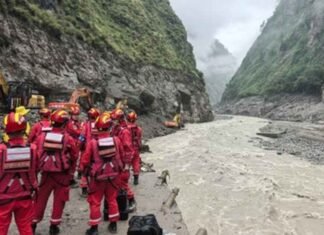
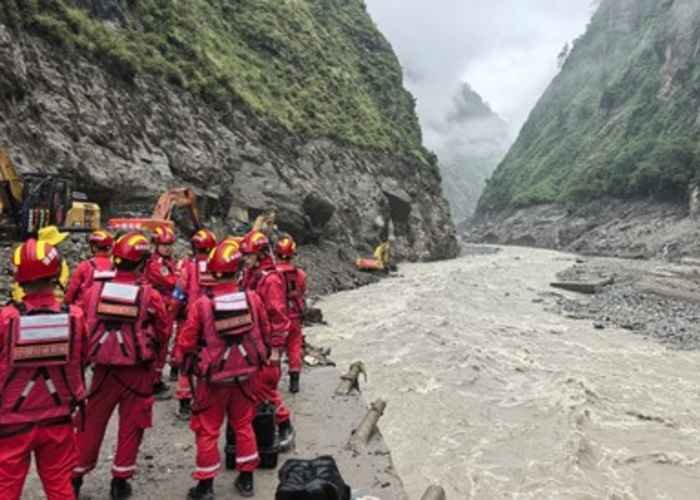
The disaster has also brought attention to the largely unsung heroes of the rescue effort — helicopter pilots, army personnel, medical teams and volunteers who have ventured into dangerous and inaccessible areas.
Pilots have reportedly flown through treacherous weather to evacuate survivors from isolated valleys, while camps in Nuwakot and Bidur have provided medical assistance and trauma counselling.
In Timure, an Armed Police Force rescue team reportedly heard a six-year-old girl crying beneath debris. The rescuers dug through the collapsed structures and pulled her out alive, stabilising her at the site when severe weather prevented immediate evacuation.
Nepal Army’s elite Ranger Battalion also rescued workers trapped inside intake tunnels buried under slurry, navigating terrain where familiar landmarks had disappeared.
As the scale of Nepal’s tragedy continues to unfold, these accounts of courage and compassion stand as reminders of humanity amid devastation — stories of ordinary people and professionals who placed the lives of others ahead of their own.
 FOLLOW NOW