
Asheville, September 2, 2026 (Yes Punjab News)
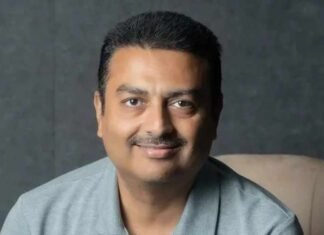
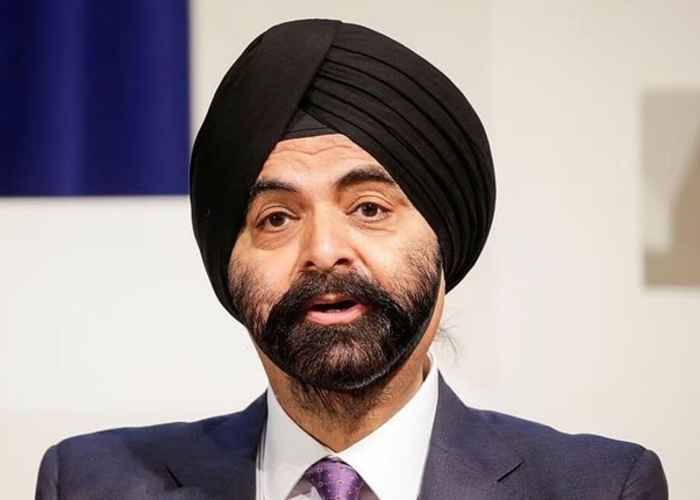
India has reached a stage of development where its experience, including digital public infrastructure and technology-driven agriculture, can offer valuable lessons to other countries, World Bank President Ajay Banga has said.
In an exclusive interview with IANS on the sidelines of the G20 Finance Ministers’ meeting in Asheville, Banga said the World Bank was expanding its knowledge exchange with India as the country works towards its development goals for 2047.
“I think India has reached a stage of development where India has learnings that can be shared elsewhere,” Banga said.
He cited India’s digital public infrastructure, from Aadhaar to bank accounts, as one area that could serve as a model for other nations. He also highlighted the growing use of technology in agriculture as another area with potential for wider application.
“You look at your digital public infrastructure starting from Aadhaar all the way to bank accounts, the work you’re now doing in agriculture. These are things that others can learn from,” he said.
Banga said India’s journey towards becoming a developed nation by 2047 would depend not only on the size and pace of its domestic economic growth but also on the country’s stature in global economic and political affairs.
“The way that India will become a Viksit Bharat by 2047, you know, economy of that size is not just from its own growth, of course, but also the stature it occupies in world economics and in world politics,” he said.
The World Bank chief said the institution was working with India across multiple sectors while also helping share knowledge from the country’s development experience with other nations.
Banga referred to agricultural initiatives that combine technology and partnerships to support small farmers. Recalling a visit to Uttar Pradesh, he said he saw cooperatives working with Google and the World Bank to help farmers gain access to essential inputs and services at scale.
He also highlighted the potential of digital technology to link decentralised primary healthcare clinics with doctors and regional hospitals.
The World Bank’s engagement with India, he said, covers physical infrastructure, education, skills, healthcare, regulatory reforms and efforts to mobilise private investment. The institution is also exploring opportunities in tourism and support for micro, small and medium-sized enterprises (MSMEs).
Asked about the role of leadership in India’s economic progress, Banga said people and leadership were closely intertwined.
“People and leadership are intertwined. People get the leader they deserve,” he said, adding that India should feel proud of having leadership that is taking the country in the right direction.
 FOLLOW NOW