

Asheville, September 2, 2026 (Yes Punjab News)
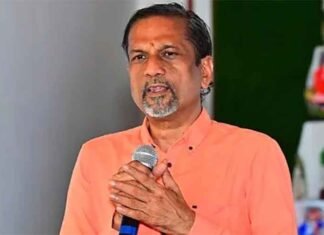
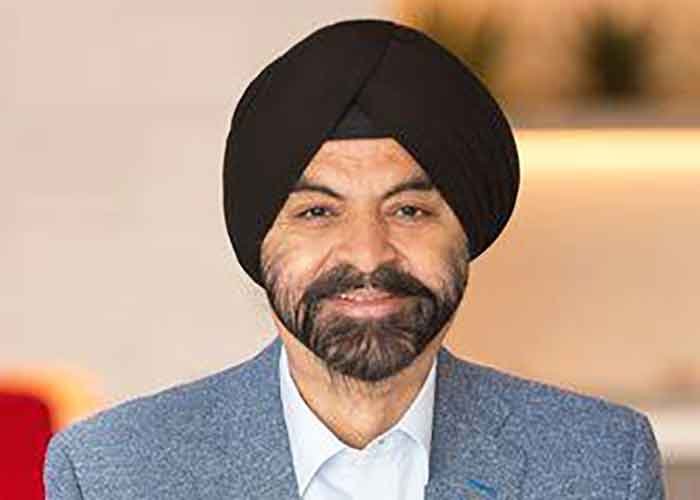
India has the potential to accelerate its economic growth beyond the current 7-8 per cent range, World Bank President Ajay Banga has said, describing the country’s recent economic performance as robust despite global energy pressures, trade uncertainty and the impact of El Niño.
In an interview with IANS on the sidelines of the G20 Finance Ministers’ meeting in Asheville, Banga said India’s latest growth figures reflected the strength of its underlying economy.
“India is now delivering regularly seven to 8 per cent growth, that’s pretty good. And I think there’s opportunity to go even beyond that,” he said.
Banga highlighted strong growth in services and exports, along with sustained investment. He said the performance remained encouraging even when viewed beyond the headline growth figure.
The World Bank chief, however, said India’s focus should extend beyond quarterly growth figures to converting economic expansion into jobs and opportunities for its young population.
He identified three key pillars for employment generation: physical and human infrastructure, regulatory reforms and mobilisation of private capital.
Banga said India had made substantial progress in roads, bridges, airports, power, water and digitisation, while further improvements were needed in education, skill development and healthcare. He stressed that the education and skilling ecosystem should be aligned more closely with future employment opportunities and private-sector requirements.
On regulatory reforms, Banga pointed to recent labour law changes approved by the Centre, while noting that their impact would depend on implementation by individual states.
He said private investment would remain critical for job creation, particularly through micro, small and medium enterprises (MSMEs). “Jobs are created in the private sector. Government enables and the private sector creates,” he said.
Banga identified infrastructure, agriculture, primary healthcare, tourism and value-added manufacturing as sectors with significant employment potential. He also pointed to India’s strengths in minerals, metals and fashion.
He said he had discussed tourism and MSME opportunities with Finance Minister Nirmala Sitharaman and noted that the World Bank had moved quickly to support Indian businesses during the recent crisis following the war in Iran.
“The first thing we did was to pump almost three billion plus of financing into the MSME sort of sector in India for trade finance,” he said.
Banga also described India as an emerging source of development knowledge for other countries, particularly through its digital public infrastructure and agricultural experience. He said India’s progress towards its 2047 goals would depend not only on domestic economic growth but also on the country’s growing stature in global economic and political affairs.
 FOLLOW NOW