

Bhopal, July 31, 2026 (Yes Punjab News)
Four organisations representing survivors of the 1984 Bhopal gas tragedy on Friday alleged that sewage-contaminated drinking water is being supplied to several colonies around the abandoned Union Carbide factory, attributing the problem to inadequate civic infrastructure.
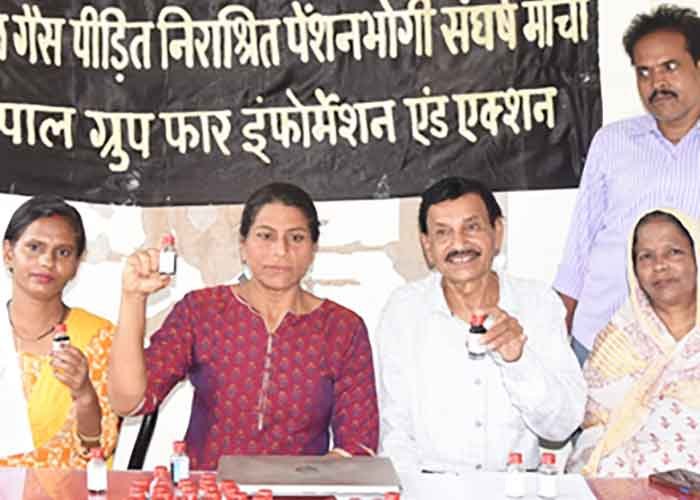
Addressing a press conference in Bhopal, the organisations released a report claiming that 43 of 63 drinking water samples collected from household taps in 30 colonies during July tested positive for faecal coliform bacteria, indicating sewage contamination.
Nawab Khan, President of the Bhopal Gas Peedit Mahila Purush Sangharsh Morcha, described the findings as a serious public health concern.
“We tested 63 water samples from taps in 30 communities this month, and the presence of faecal coliform was confirmed in 43 samples. There is clear evidence that drinking water supplied to 19 out of 30 communities is contaminated with faeces,” Khan said.
According to the report, around 90 per cent of samples from areas receiving water from the Upper Lake source tested positive for contamination, while 25 per cent of samples from colonies supplied by the Kolar Dam source also failed the quality tests.
The organisations alleged that the absence of underground sewerage lines and proper drainage systems has led to sewage mixing with drinking water pipelines, increasing the risk of water-borne diseases such as diarrhoea, vomiting and typhoid among residents.
They recalled that the Supreme Court had directed authorities in 2004 to provide piped drinking water to residents after groundwater near the abandoned Union Carbide plant was found contaminated with toxic chemicals.
The groups further claimed that in 2018, the apex court directed the Bhopal Municipal Corporation (BMC) to lay sewerage lines and improve drainage after complaints of faecal contamination in the piped water supply. According to them, despite the civic body’s assurance that the work would be completed within three months, the project remains unfinished.
Rachna Dhingra of the Bhopal Group for Information and Action called for the time-bound completion of the sewerage and drainage network and the establishment of an independent mechanism to regularly monitor drinking water quality.
The organisations urged the Madhya Pradesh government and the Bhopal Municipal Corporation to ensure safe drinking water and complete the pending infrastructure projects in the affected colonies.
 FOLLOW NOW