
New Delhi, July 31, 2026 (Yes Punjab News)
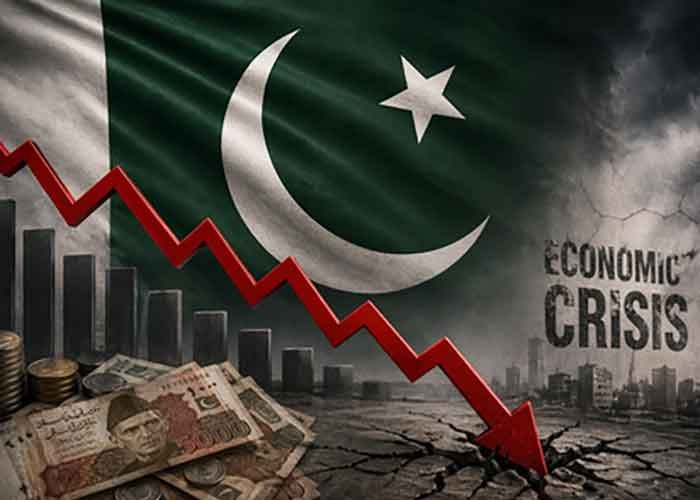
The European Union has expressed serious concerns over Pakistan’s human rights record while reviewing its continued eligibility for preferential trade benefits under the Generalised Scheme of Preferences Plus (GSP+), according to a report published by The European Times.
Citing the European Commission’s final monitoring report under the current GSP regulation for the 2023–2025 period, the publication said the Commission concluded that Pakistan had “regressed in a number of areas while positive change was limited.”
The report highlighted concerns relating to the repression of political opposition, restrictions on freedom of expression, enforced disappearances, the trial of civilians in military courts, and broader governance issues.
Pakistan has enjoyed duty-free access to European Union markets under the GSP+ scheme since 2014, a concession that has significantly boosted its exports, particularly textiles. According to the report, Pakistan’s textile exports to Europe have increased by 108 per cent since receiving the preferential trade status.
Although the European Parliament extended the GSP+ framework until 2027 for eligible developing countries, including Pakistan, the report noted that future access will be subject to stricter compliance requirements.
Under the new trade framework, which comes into effect on January 1, 2027, Pakistan will have to reapply for GSP+ status by submitting a written action plan and obtaining approval from the European Commission by the end of 2028.
The monitoring process will assess Pakistan’s implementation of 27 international conventions covering human rights, labour rights, environmental protection, climate action and good governance. The report stated that the revised framework introduces more rigorous sustainability and governance standards.
According to the European Commission, Pakistan has continued to face compliance challenges under its GSP+ obligations. It stressed that continued preferential market access would depend on measurable progress in addressing areas of concern.
The report identified accountability for human rights violations, measures to prevent torture, reforms related to prisons and capital punishment, action against enforced disappearances, and protection of freedom of expression among the key priorities.
It also referred to concerns over the integrity of Pakistan’s 2024 general elections, measures taken against opposition leaders and supporters, and what it described as an increased role of the military in the country’s political landscape.
 FOLLOW NOW