

New Delhi, July 30, 2026 (Yes Punjab News)
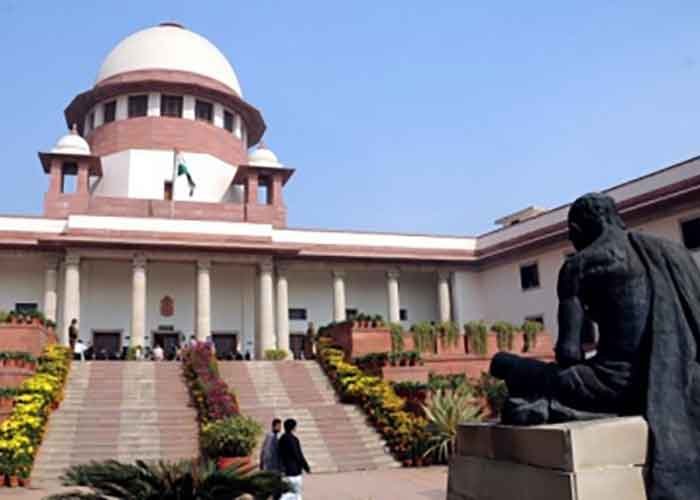
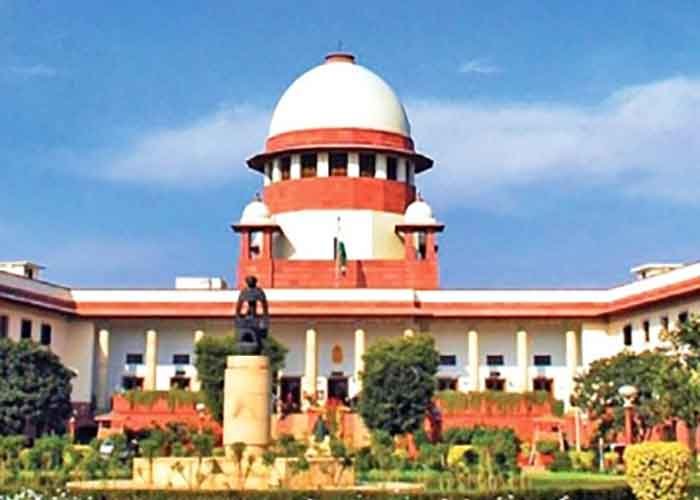
The Supreme Court on Thursday agreed to examine the use of metallic pellet guns by law enforcement agencies during civilian protests and directed the Delhi government to provide medical treatment to those injured during the July 20 student demonstration in the national capital.
A Bench comprising Chief Justice of India Surya Kant and Justices Joymalya Bagchi and V. Mohan was hearing a petition filed by former Intelligence Bureau Special Director Yashovardhan Azad and two individuals who alleged they sustained metallic pellet injuries during the ‘Sansad Chalo’ protest at Jantar Mantar.
Appearing for the petitioners, senior advocate Vrinda Grover argued that the plea specifically challenged the use of metallic pellets fired from pump-action rifles or projectile-action guns, claiming such projectiles had been recovered from the bodies of two injured protesters.
During the hearing, the Bench observed that police regulations permit the use of pellet guns in exceptional situations as part of a graded response. Justice Bagchi said the petitioners’ request for a blanket ban was too broad unless they specifically challenged the validity of the regulations authorising such use.
The court suggested that instead of seeking a complete prohibition, the petitioners could seek judicial guidelines or a protocol governing the deployment of pellet guns in cases where allegations of excessive force arise.
The Bench also underscored the need for a proportionate response by police while dealing with peaceful demonstrations.
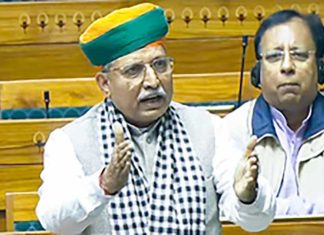
“We are agreeable to a non-violent approach when students protest. But a graded response may be required in some cases. Arm your police in such a way that they don’t have to revert to such actions,” Justice Bagchi observed.
Solicitor General Tushar Mehta, appearing for the Centre, submitted that security personnel deployed at the protest site were equipped with protective gear and acted according to the situation on the ground.
The petitioners also raised concerns regarding medical treatment for those injured. Grover informed the court that while one petitioner was receiving treatment, another had not been provided complete medical records by the hospital.
Taking note of the submissions, the Supreme Court directed that the Delhi government ensure medical treatment for the injured petitioner and other similarly placed individuals.
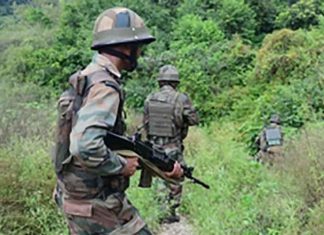
The court also asked the Centre to preserve duty logs, weapon and ammunition records, and other deployment-related documents concerning the Rapid Action Force’s presence in New Delhi on July 20. Solicitor General Mehta agreed to preserve the relevant records.
The petition contends that the use of metallic pellet guns against peaceful protesters violates constitutional guarantees relating to life, personal liberty and the right to peaceful assembly. It also seeks compensation for those allegedly injured during the protest.
 FOLLOW NOW