
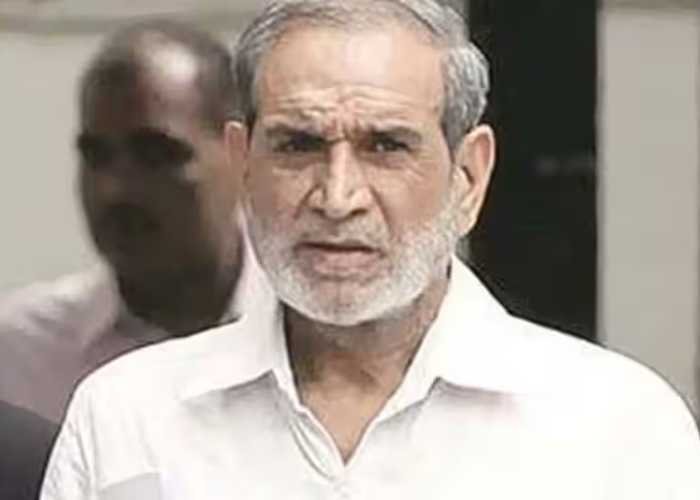
New Delhi, August 20, 2026 (Yes Punjab News)
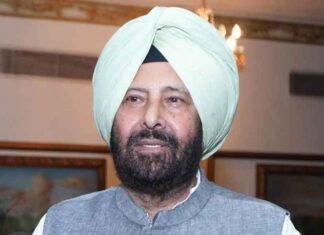
Former Congress MP Sajjan Kumar, who was serving life imprisonment following his conviction in cases linked to the 1984 anti-Sikh riots, died at a Delhi hospital on Thursday. He was 80.
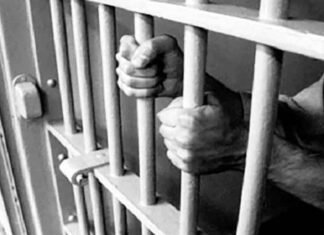
Kumar, who was lodged in Tihar Jail, was taken to Safdarjung Hospital after his health deteriorated. He was declared brought dead at the hospital. The cause of his death was not immediately disclosed.
Once an influential Congress leader in Delhi, Kumar had faced a prolonged legal battle over his alleged role in the violence against Sikhs that erupted following the assassination of then Prime Minister Indira Gandhi on October 31, 1984.
In December 2018, the Delhi High Court reversed his earlier acquittal and convicted him in a case concerning the killing of five Sikh men in Raj Nagar Part-I in Palam Colony and the burning of a gurdwara during the violence of November 1 and 2, 1984.
The High Court found Kumar guilty of criminal conspiracy and abetment and sentenced him to imprisonment for the remainder of his natural life. While delivering the verdict, the court described the 1984 anti-Sikh violence as “crimes against humanity.”
Kumar had challenged the conviction and sentence before the Supreme Court, where his appeal remained pending.
He was handed another life sentence in February 2025 by a Delhi court in a separate case relating to the killing of Jaswant Singh and his son Tarundeep Singh during the 1984 violence. The case concerned a mob attack in the Saraswati Vihar area in which the father and son were killed.
The prosecution had sought the death penalty in that case, but the court imposed life imprisonment after considering, among other factors, Kumar’s advanced age and health condition.
Kumar had also faced prosecution in other cases arising from the 1984 violence. In January 2026, a Delhi court acquitted him in two cases concerning allegations of inciting violence in the Janakpuri and Vikaspuri areas. Those acquittals, however, did not affect his imprisonment because of his convictions in the other cases.
His death brings to an end the decades-long legal proceedings against one of the most prominent political figures prosecuted in connection with the 1984 anti-Sikh violence.
 FOLLOW NOW