

Washington, August 21, 2026 (Yes Punjab News)
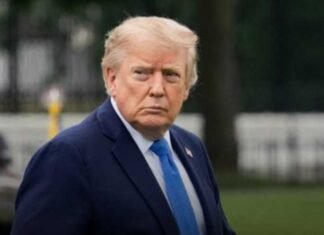
US President Donald Trump has launched an ambitious initiative to increase space activity from American soil to more than 1,000 launches and reentries annually by 2030, as Washington seeks to expand the commercial space economy and maintain its strategic edge beyond Earth.
Trump signed a National Security Presidential Memorandum replacing what the White House described as an outdated space transportation policy with an “America First” approach aimed at ensuring reliable, affordable and modern access to space.
The policy seeks to build a competitive and resilient US space transportation industry through closer cooperation between federal agencies and private companies, while reducing the cost of deploying new space systems.
Federal agencies have been directed to work with private-sector partners on space transportation infrastructure and accelerate permitting and environmental reviews.
The Transportation and Interior secretaries, working with the Secretary of War and NASA administrator, will identify potential sites for additional launch and reentry infrastructure. The memorandum also calls for priority airspace corridors for critical space transportation activities and their integration into broader efforts to modernise US air traffic control.
The White House science and technology adviser will coordinate an interagency strategy covering procurement, space security, industrial capacity and workforce requirements.
The Secretaries of State and Commerce have also been tasked with expanding overseas market access for US space transportation companies and promoting the adoption of American technologies and standards.
NASA has been directed to facilitate commercial transportation to and from the Moon, support commercial robotic missions to Mars and explore private-sector options for transporting humans to and from the Red Planet.
The Secretary of War will pursue expanded use of in-space transportation services for current and future missions, according to the memorandum.
The administration said the initiative was necessary as US adversaries challenge American space superiority. It described protecting critical space assets as essential to national security, military readiness and the US economy.
The White House said a larger commercial space sector could generate high-paying aerospace manufacturing jobs while reducing the cost of developing and deploying space systems. Advances in space manufacturing and transportation could also support the production of high-value materials and pharmaceuticals.
The administration said improved space capabilities could contribute to precision agriculture, more accurate weather forecasting, safer air travel and expanded satellite broadband access.
Reaching more than 1,000 annual launches and reentries would represent a major acceleration of US space activity and would require additional infrastructure, faster regulatory approvals, greater launch capacity and closer coordination between government agencies and commercial operators.
Trump established the US Space Force during his first term, creating the first new branch of the US armed forces since the Air Force was established more than seven decades ago. He also issued seven space policy directives covering the Artemis lunar programme, commercial space regulation and cybersecurity.
The White House said Artemis II carried astronauts into lunar orbit in April 2026, marking the first US crewed mission to lunar orbit in more than five decades.
Trump also signed executive orders in August and December 2025 aimed at promoting competition in the commercial space industry and advancing an America First space policy. The Federal Aviation Administration proposed further changes to launch infrastructure reviews in July 2026.
 FOLLOW NOW