

New Delhi, July 30, 2026 (Yes Punjab News)
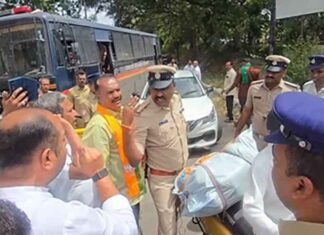
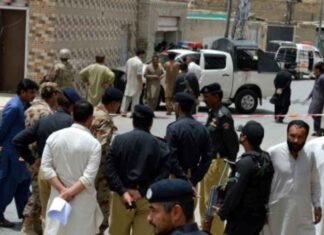
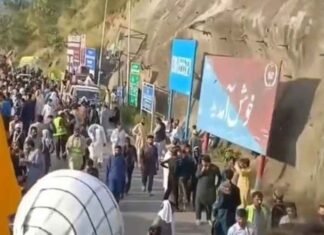
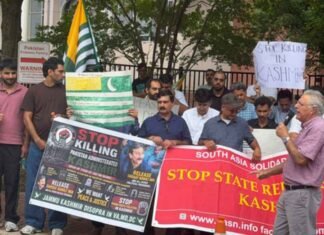
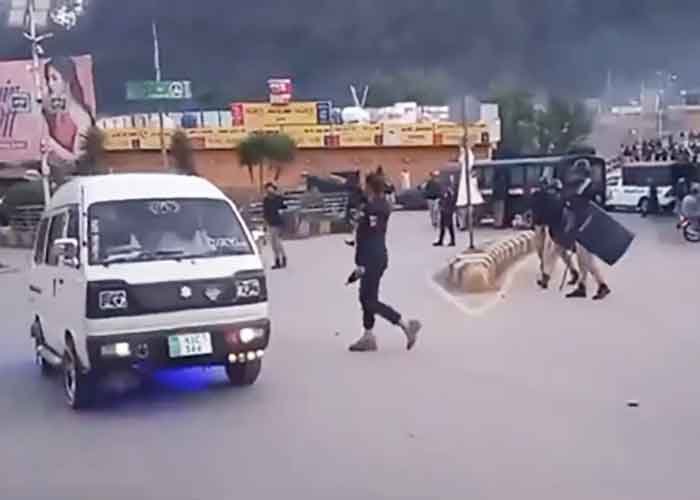
The ongoing phased elections in Pakistan-occupied Jammu and Kashmir (PoJK) have been overshadowed by violence, fatalities and widespread protests, with residents questioning the credibility of the electoral process and demanding greater political representation and autonomy.
According to reports, the unrest has intensified over the allocation of 12 reserved seats in the PoJK Legislative Assembly for individuals described as Kashmiri refugees settled in Pakistan. Several local groups contend that these seats distort the democratic process and allow Islamabad to exercise greater influence over the region’s governance.
The Joint Awami Action Committee (JAAC), a civil rights coalition that has been declared a banned organisation by Pakistani authorities, has emerged as a prominent voice of protest. The group has called for the abolition of the reserved seats and demanded wider political, economic and administrative reforms.
India has consistently maintained that Pakistan’s electoral exercises in Pakistan-occupied Jammu and Kashmir have no legal validity. New Delhi has described such elections as attempts to mask what it calls Pakistan’s illegal occupation of Indian territory and has also raised concerns over the human rights situation in the region.
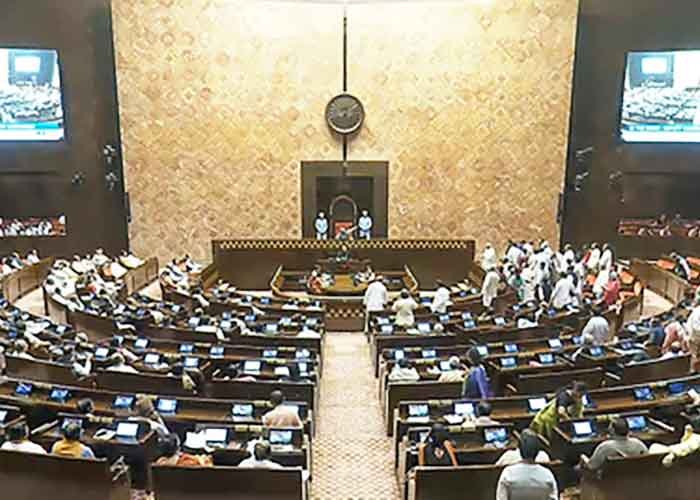
The PoJK Legislative Assembly has 45 seats, of which 33 are elected from constituencies within the region, while 12 are reserved for Kashmiri refugees residing in Pakistan. Critics argue that these reserved constituencies give disproportionate influence to non-resident voters and strengthen Islamabad’s role in the region’s political affairs.
Political parties including the Pakistan Muslim League-Nawaz (PML-N) and the Pakistan Peoples Party (PPP) continue to dominate the electoral landscape, while many local activists allege that mainstream Pakistani parties primarily represent Islamabad’s interests rather than those of PoJK residents.
The reported boycott of the elections by Pakistan Tehreek-e-Insaf (PTI) and demonstrations led by the JAAC have further highlighted dissatisfaction with the existing political framework.
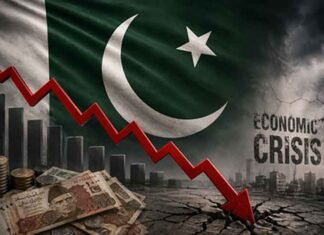
Beyond electoral concerns, protesters have also raised issues relating to economic hardship, alleging that electricity generated through hydropower projects in the region is supplied to Pakistan while local consumers continue to face high tariffs. Rising inflation, increasing prices of essential commodities, including flour, and unemployment have also fuelled public discontent.
The JAAC has demanded the abolition of the reserved refugee seats, renegotiation of hydropower agreements to ensure greater local benefits, reduction in electricity tariffs, enhanced subsidies on essential goods, release of detained activists, withdrawal of cases against protesters and greater autonomy in governance.
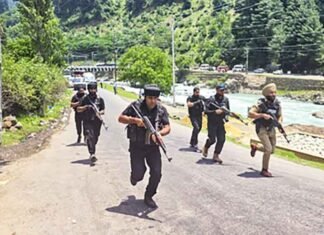
According to reports, Pakistani authorities have responded with heightened security deployment, arrests of activists and internet restrictions. Human rights organisations, including the Human Rights Commission of Pakistan, have reportedly expressed concern over the alleged use of excessive force against protesters and called for independent investigations into the incidents.
Founded in 2023, the JAAC comprises lawyers, traders, students, civil society groups and local activists. Despite being banned under Pakistan’s anti-terror laws, the organisation has continued to organise protests, strikes and marches in support of its demands.
 FOLLOW NOW