

Kathmandu, September 15, 2026 (Yes Punjab News)
Passenger movement between Nepal and China has shifted to alternative border crossings after devastating floods in Nepal’s Rasuwa district damaged infrastructure at the Rasuwagadhi crossing on August 26, disrupting a key route used by travellers and Kailash-Manasarovar pilgrims.
According to Nepal’s Department of Immigration, the flooding swept through areas around Rasuwagadhi and damaged key infrastructure, including the immigration office. Travellers moving between Nepal and China have since been using the Tatopani crossing in Sindhupalchok and Hilsa in Humla.
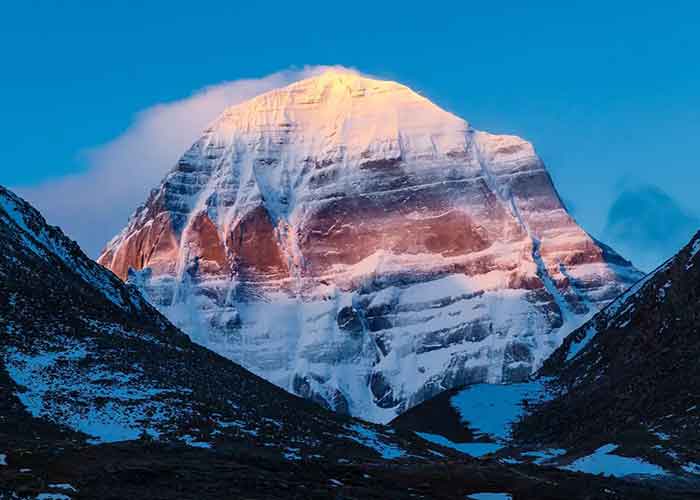
Rasuwagadhi is an important northern gateway for pilgrims travelling to Mount Kailash in Tibet, China, with a large majority of pilgrims using routes through Nepal being Indian nationals.
The disruption has also affected pilgrims and other travellers who had crossed into China through Rasuwagadhi and were returning from Tibet. Some have been returning through Tatopani and Hilsa after the crossing was damaged.
Between August 26 and September 14, as many as 3,904 passengers entered Nepal through Tatopani, including 1,733 women. During the same period, 391 passengers departed Nepal for China through the crossing.
At Hilsa, 387 passengers entered Nepal during the period, including 165 who had earlier travelled from Nepal to China through Rasuwagadhi. Another 178 passengers departed Nepal for China through Hilsa.
Indian, British and US nationals were among the largest groups of foreign travellers using the alternative crossings, according to immigration authorities.
The figures underline the growing importance of Tatopani and Hilsa in maintaining passenger movement between Nepal and China following the disruption at Rasuwagadhi. The Department of Immigration said it was coordinating with relevant agencies to facilitate travel and ensure effective immigration management.
Nepal currently offers four routes for Kailash-Manasarovar travel: the Tatopani and Rasuwagadhi land crossings, Hilsa and the Kathmandu-Lhasa air route.
Indian nationals make up the largest share of pilgrims travelling to Kailash-Manasarovar through Nepal. The pilgrimage resumed for Indian citizens last year after a five-year pause following tensions between India and China after the 2020 Galwan Valley clash.
China had set a quota of 20,000 Indian pilgrims travelling through Nepal last year and increased it to 24,000 for the current pilgrimage season.
India also facilitates the pilgrimage through Lipulekh Pass and Nathu La in Sikkim, but limits the annual number of pilgrims using these routes to 1,000 — 500 through each route. Consequently, most Indian pilgrims travelling through Nepal opt for private arrangements.
The National Disaster Risk Reduction and Management Authority said that by Monday evening, the August 26 disaster had left 1,395 people dead and 5,130 missing. The flood has also left many pilgrims who travelled through the affected route uncontactable.
 FOLLOW NOW