
Amaravati, August 23, 2026 (Yes Punjab News)
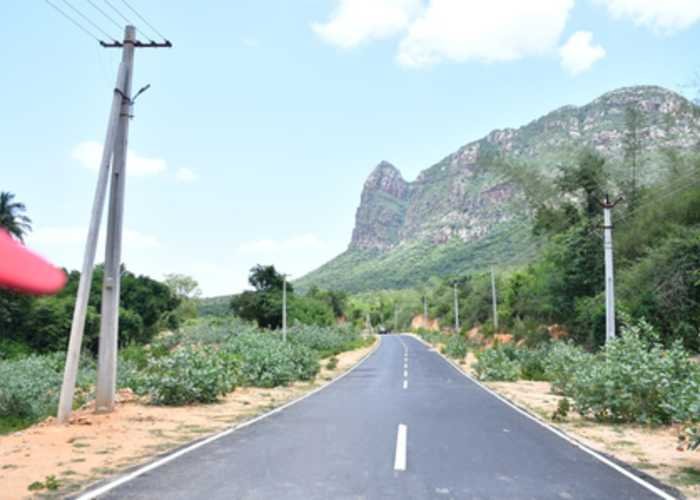
The Andhra Pradesh government has launched a project to provide road connectivity to more than 100 major pilgrimage sites across the state, with a total road network of 205 km being developed at an estimated cost of Rs 120 crore.
The Panchayat Raj Department is undertaking the project to improve access to temples and other religious sites, particularly in rural areas where devotees often face difficulties due to inadequate road infrastructure.
Deputy Chief Minister Pawan Kalyan initiated the programme after taking note of growing pilgrim footfall at sites such as Vadapalli and receiving representations about poor access roads during his field visits.
According to an official release on Sunday, the government is prioritising access roads to temples, schools, hospitals and agricultural fields using funds available under schemes including the National Rural Employment Guarantee Scheme (NREGS), VB G Ram G and SASKI.
As part of the centenary celebrations of Sri Sathya Sai Baba, Rs 30 crore has also been allocated for roads connecting Puttaparthi.
The temple access road initiative, known as ‘Gudi Bata’, is being implemented under Pawan Kalyan’s guidance. Of the projects sanctioned at a total cost of Rs 120 crore, 26 have been completed and are ready for inauguration, while work on another 40 per cent of the roads has reached 50 per cent completion.
Completed projects include roads leading to the Sri Lakshmi Narasimha shrines at Antarvedi and Ahobilam, the Sri Gattu Venkataramana Swamy temple in Madanapalle constituency, Devaraya Nallagangamma temple and the Pudiyagiri Sri Lakshmi Narasimha Swamy shrine at Marripudi.
Road projects have also been completed in Satyavedu constituency covering Singirikona, Someswaram and Talupulammalova, besides the I.S. Jagannathapuram ghat roads.
Pawan Kalyan has directed officials to maintain high construction standards and ensure that the roads remain durable and useful for devotees. He said he would personally inspect completed temple roads during field visits before they are opened to the public.
 FOLLOW NOW